Understanding Male Fertility, Diagnosis and Available Treatment Options
Low sperm count is a common male fertility concern that can make it more difficult for couples to conceive naturally. The good news is that identifying the underlying cause and choosing the right treatment may help improve fertility outcomes in many cases.
If you and your partner have been trying to conceive without success, understanding sperm count, sperm quality and available male infertility treatments is an important first step. In this guide, we explain the causes of low sperm count, possible symptoms, diagnostic tests, lifestyle measures and treatment options such as IVF and ICSI.
What Is Low Sperm Count?
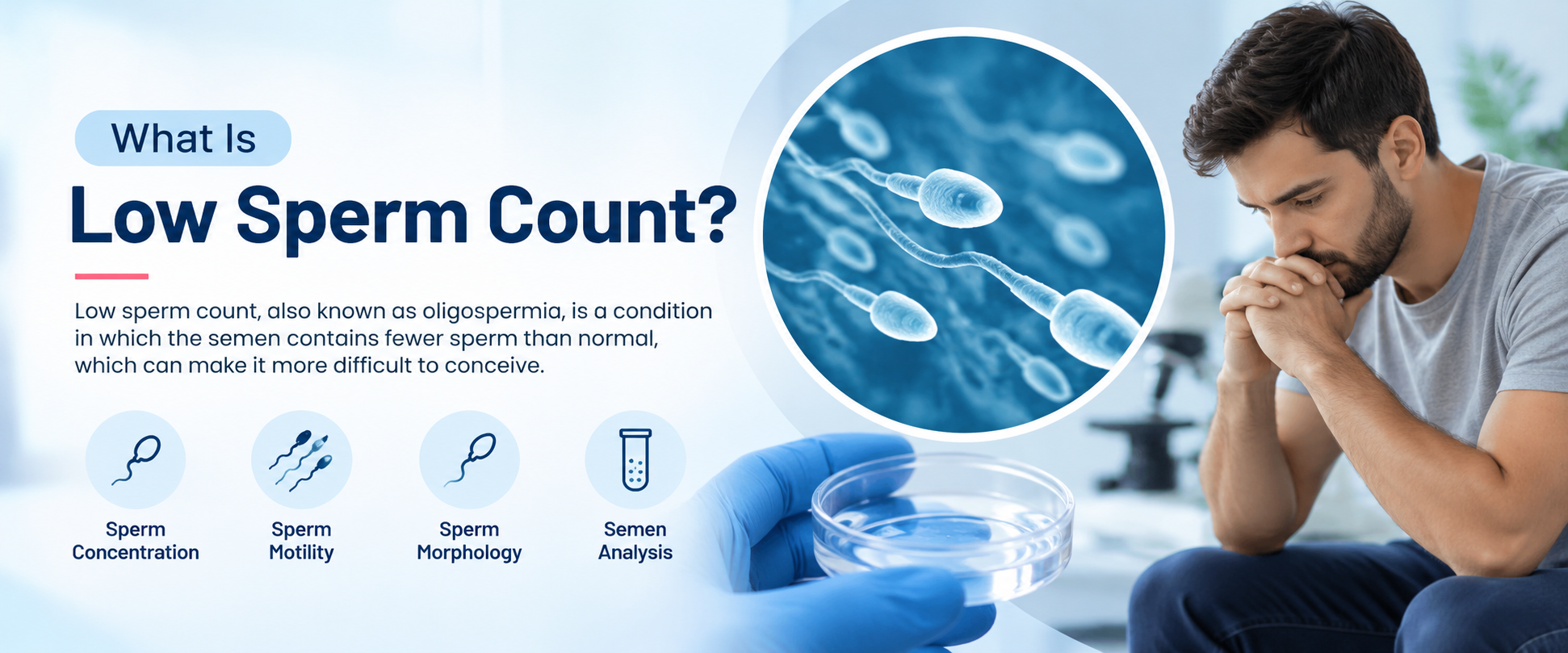
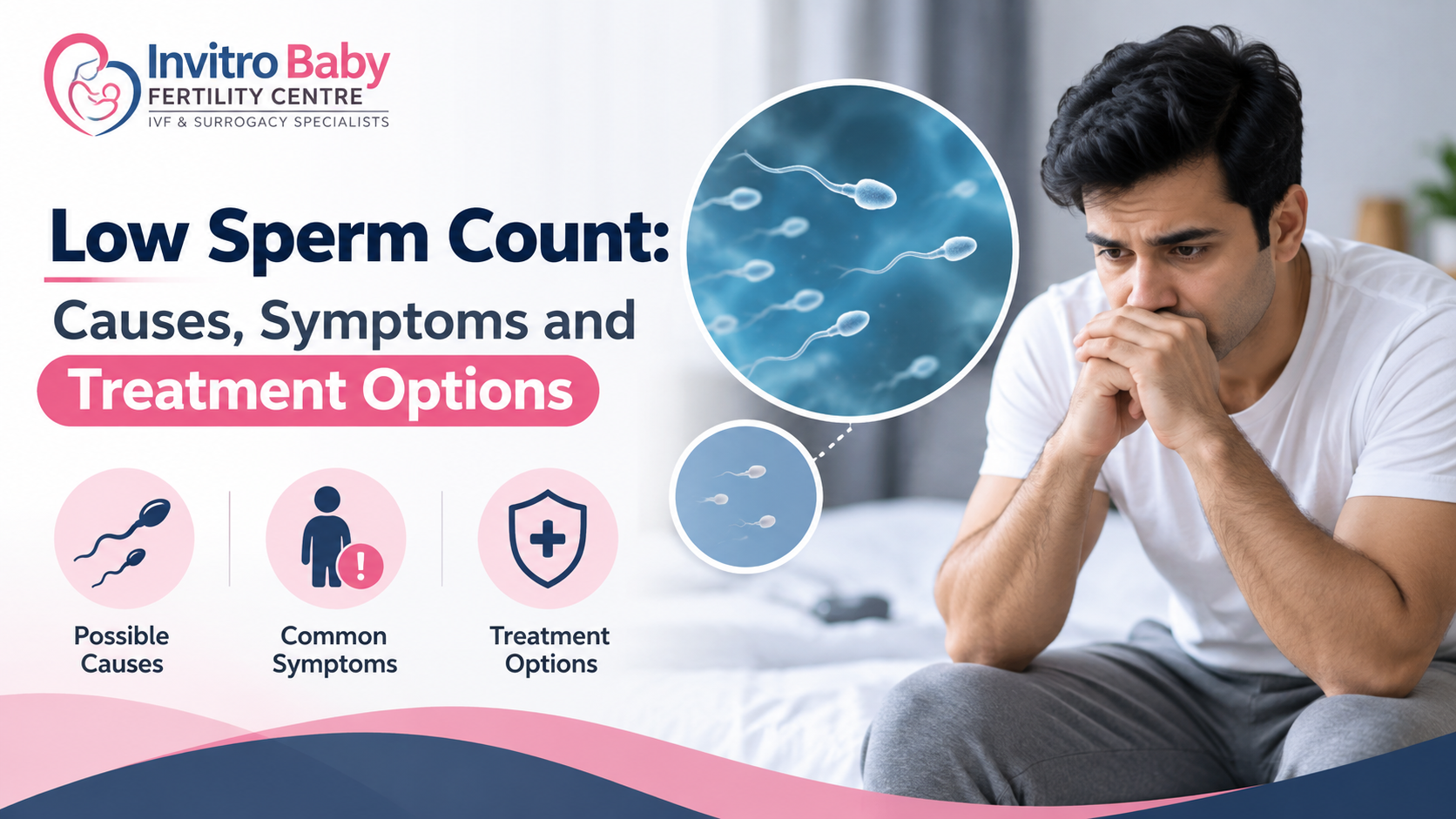
Low sperm count, medically known as oligospermia, is a condition in which semen contains fewer sperm than expected. Sperm are reproductive cells that fertilise an egg to initiate pregnancy.
According to the WHO-based reference values used in the NICE fertility guidelines updated in March 2026, a sperm concentration of approximately 16 million sperm per millilitre of semen is the lower reference limit for a standard semen analysis. A total sperm number of approximately 39 million per ejaculate is another reference measure.
These values are reference points, not a definite boundary between fertile and infertile. Pregnancy depends on several factors, including sperm movement, sperm shape, the reproductive health of both partners and other individual circumstances.
When no sperm are detected in the ejaculate, the condition is called azoospermia. It requires further medical evaluation to determine the cause and suitable treatment.
What Are the Symptoms of Low Sperm Count?
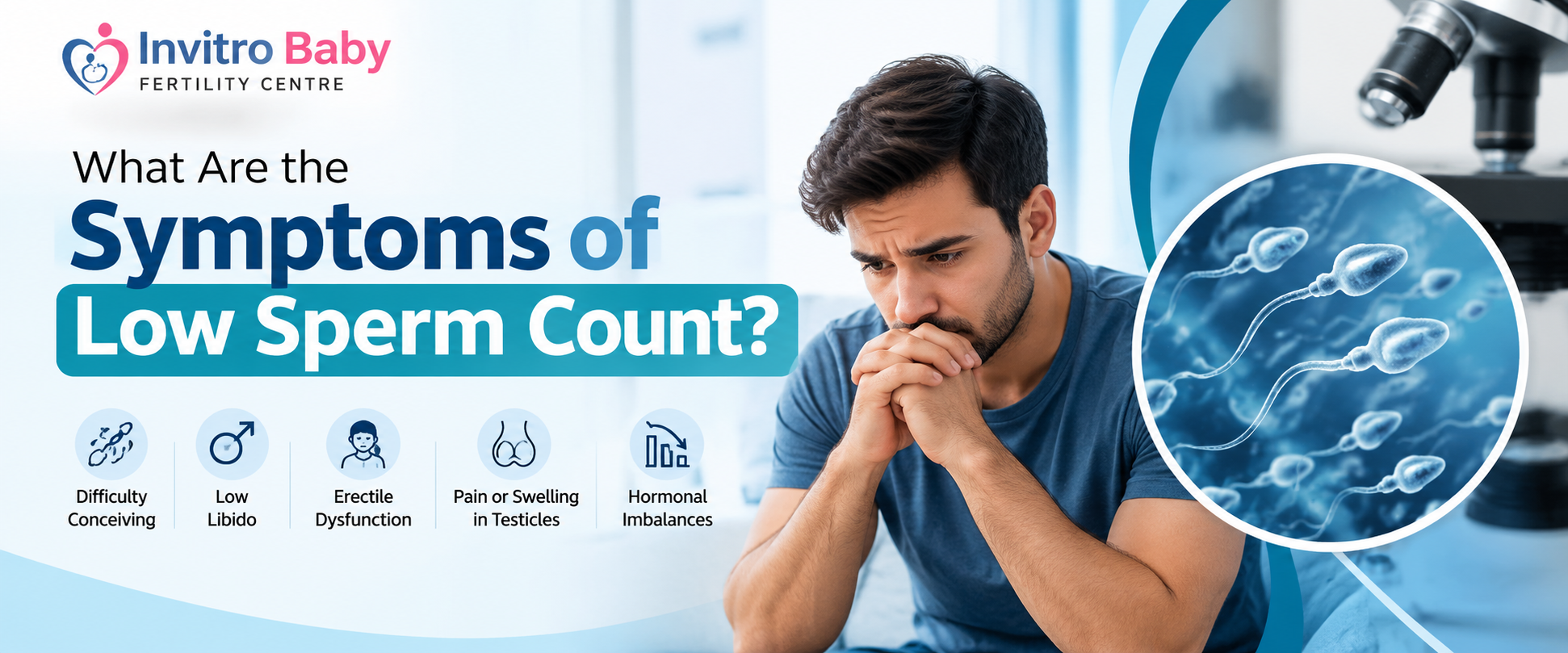
Low sperm count often causes no noticeable symptoms. Many men discover the condition only when they undergo fertility testing after experiencing difficulty conceiving.
Possible signs associated with an underlying medical condition include:
- Difficulty achieving pregnancy despite regular, unprotected intercourse.
- Reduced sexual desire or low libido.
- Difficulty achieving or maintaining an erection.
- Pain, swelling or a lump in the testicular area.
- Changes in testicular size or a feeling of heaviness in the scrotum.
- Symptoms associated with hormonal imbalances, depending on the underlying cause.
Important: These symptoms do not automatically mean you have low sperm count. A semen analysis is required to assess sperm concentration and other semen parameters. Persistent testicular pain, a lump or swelling should be medically evaluated.
What Causes Low Sperm Count in Men?
Low sperm count can develop because of medical conditions, hormonal imbalances, genetic factors, lifestyle habits or environmental exposures. Sometimes, a clear cause cannot be identified.
1. Varicocele
A varicocele is an enlargement of the veins within the scrotum. It may increase testicular temperature and affect sperm production, movement or shape. In selected cases, treatment of a clinically significant varicocele may improve semen parameters.
2. Hormonal Imbalances
Sperm production depends on hormones involving the hypothalamus, pituitary gland and testicles. Abnormal levels of hormones such as follicle-stimulating hormone (FSH) and testosterone may affect sperm production.
Hormone testing may be recommended when the clinical history or semen analysis suggests a hormonal problem.
3. Infections and Reproductive Tract Problems
Certain infections or inflammation involving the reproductive tract can affect sperm production or cause scarring and blockages. Some blockages prevent sperm from entering the ejaculate even when sperm production continues.
A healthcare professional can determine whether infection testing or further investigation is appropriate.
4. Genetic Conditions
Some genetic conditions can affect sperm production or obstruct the reproductive tract. Genetic testing may be recommended in selected cases, particularly when sperm counts are extremely low or no sperm are found.
5. Smoking, Alcohol and Substance Use
Smoking, excessive alcohol consumption and recreational drugs may negatively affect reproductive health. Anabolic steroids and testosterone taken from outside the body can suppress the hormonal signals needed for sperm production.
Men planning a pregnancy should discuss prescribed medicines, testosterone therapy and supplements with their healthcare professional before making changes.
6. Excess Heat and Environmental Exposure
Repeated exposure to high temperatures, certain industrial chemicals, pesticides, heavy metals and other environmental hazards may affect sperm health in some circumstances. The level of risk depends on the type, intensity and duration of exposure.
7. Obesity and Other Health Conditions
Excess body weight, certain chronic illnesses, previous testicular injuries, undescended testicles and some cancer treatments may affect male fertility.
A detailed medical history can help identify potentially treatable factors.
How Is Low Sperm Count Diagnosed?
The main test used to evaluate sperm count is a semen analysis test. It assesses several characteristics of the semen and sperm.
What Does a Semen Analysis Test Check?
A laboratory may assess:
- Sperm concentration: Number of sperm per millilitre of semen.
- Total sperm number: Number of sperm in the entire ejaculate.
- Sperm motility: How well the sperm move.
- Sperm morphology: The percentage of sperm with a typical shape.
- Semen volume: The amount of semen produced.
What Happens After an Abnormal Result?
Sperm measurements can vary between samples. If the first semen analysis is abnormal, a repeat test is generally recommended to confirm the result. The timing depends on the severity of the findings and the clinician’s advice.
The doctor may also recommend a physical examination, hormone tests, genetic testing or imaging when indicated.
How to prepare for a semen analysis: Follow the laboratory’s instructions, including the recommended period of abstinence before sample collection. Collect the sample as directed and inform the laboratory if any of the sample is lost.
How Can Low Sperm Count Be Treated?
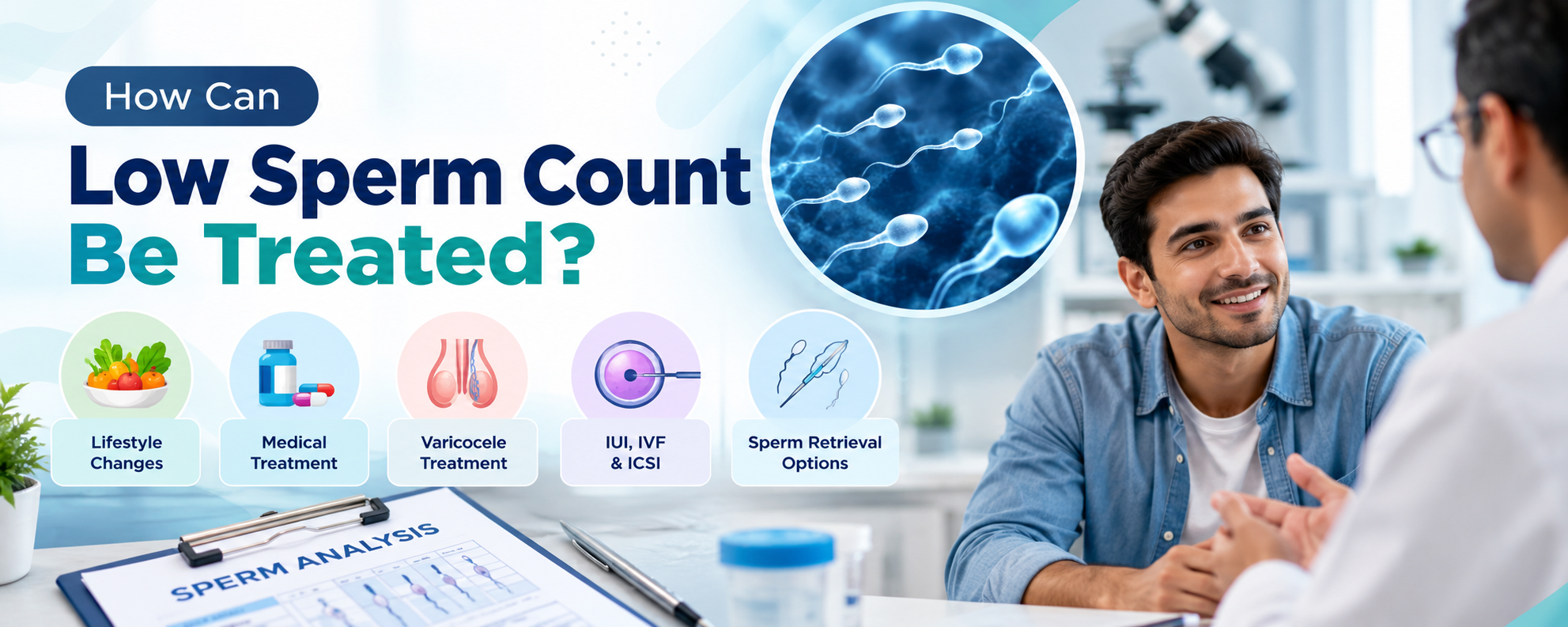
Treatment depends on the underlying cause, the severity of the sperm abnormality, the duration of infertility and the reproductive health of both partners. There is no single treatment that works for everyone.
1. Lifestyle Changes
Healthy habits may support reproductive health and help address certain contributing factors.
- Eat a balanced diet rich in vegetables, fruit, whole grains, protein and healthy fats.
- Maintain a healthy weight and exercise regularly.
- Stop smoking and avoid recreational drugs.
- Limit or avoid alcohol, according to your healthcare professional’s advice.
- Get adequate sleep and manage stress.
- Reduce avoidable exposure to workplace chemicals and excessive heat.
- Review medicines and supplements with a qualified doctor.
Sperm development takes time, so improvements may not appear immediately. Lifestyle changes alone may not correct a significant medical or genetic cause.
2. Medical Treatment for Underlying Conditions
Depending on the diagnosis, treatment may involve addressing a hormonal disorder, treating a confirmed infection or managing another medical condition.
Hormonal medicines are useful only for selected conditions. Testosterone replacement should not be used as a fertility treatment for men trying to conceive because it can suppress sperm production.
3. Varicocele Treatment
A specialist may consider varicocele repair in selected men with a clinically detectable varicocele and infertility. The decision depends on examination findings, semen results and the couple’s fertility circumstances.
Improvement is not guaranteed, and the potential benefits and risks should be discussed with the treating doctor.
4. Intrauterine Insemination (IUI)
IUI involves placing prepared sperm into the uterus around the time of ovulation. It may be suitable in selected cases where the number of usable, moving sperm after preparation is sufficient and other fertility factors are favourable.
IUI may be less suitable when sperm abnormalities are severe.
5. In Vitro Fertilisation (IVF)
IVF involves collecting eggs, fertilising them with sperm in a laboratory and transferring an embryo into the uterus. It may be considered when male-factor infertility is significant or when other fertility factors make IVF appropriate.
The treatment plan should be based on a full assessment of both partners.
6. Intracytoplasmic Sperm Injection (ICSI)
ICSI is a specialised form of IVF in which a single sperm is injected directly into an egg. It may be recommended for severe male-factor infertility or certain situations involving sperm availability or previous fertilisation outcomes.
ICSI can help overcome some sperm-related fertilisation difficulties, but it does not guarantee embryo development, pregnancy or live birth.
7. Sperm Retrieval and Other Options
When no sperm are present in the ejaculate, a specialist may investigate whether sperm production is impaired or whether a blockage is preventing sperm from reaching the semen.
In selected cases, sperm may be retrieved directly from the reproductive tract for use in assisted reproduction. Suitability depends on the underlying diagnosis and individual circumstances.
How to Increase Sperm Count Naturally
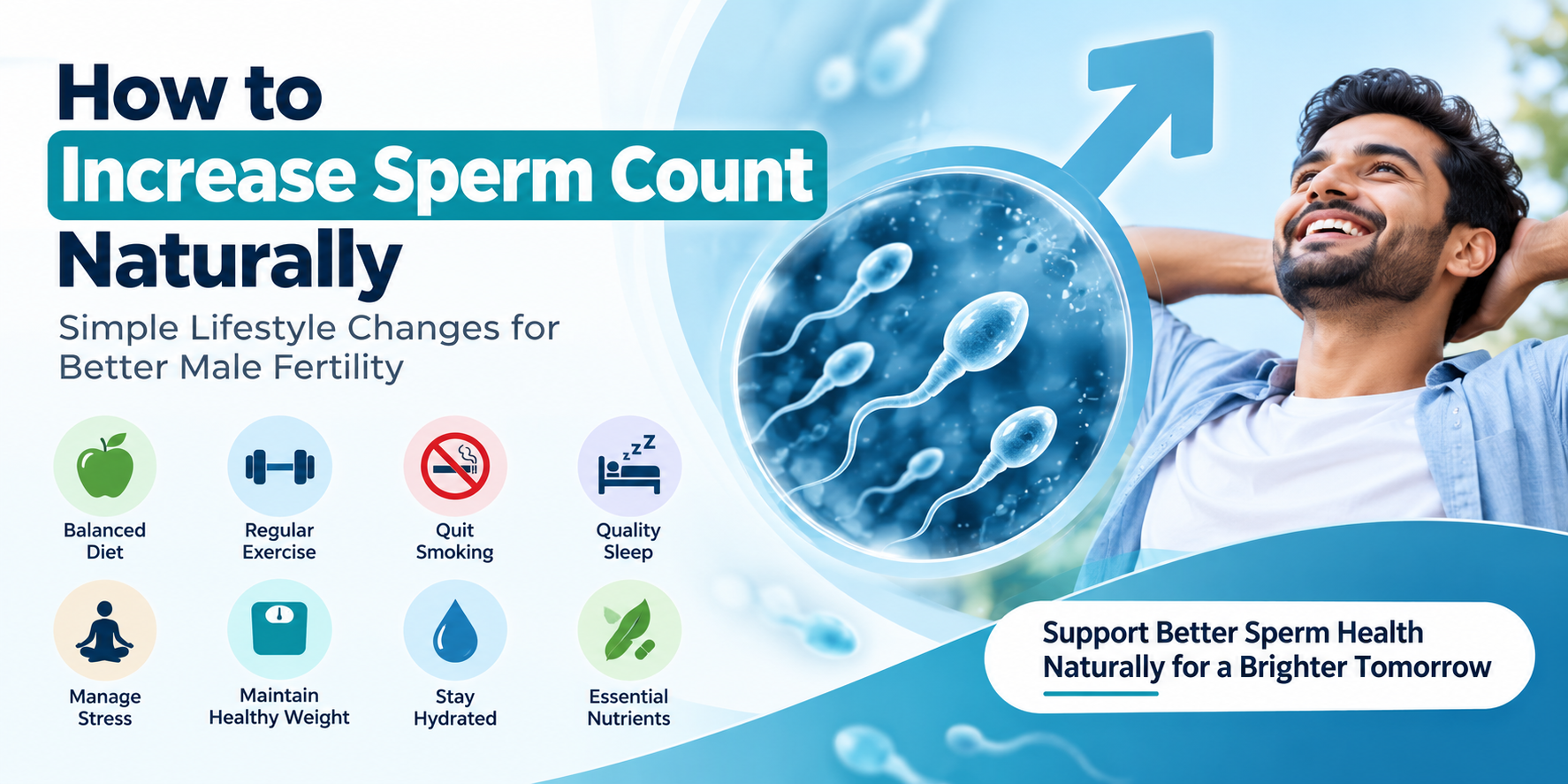
People searching for ways to increase sperm count naturally should know that results depend on the cause of the problem.
Evidence-informed steps include:
- Follow a balanced, nutrient-rich diet.
- Maintain a healthy weight.
- Avoid smoking, anabolic steroids and recreational drugs.
- Review alcohol intake and environmental exposures.
- Manage existing medical conditions.
- Seek medical advice about medicines that may affect fertility.
- Get a semen analysis rather than relying on symptoms alone.
Antioxidants and fertility supplements are often marketed for sperm health, but evidence of benefit is inconsistent and depends on the specific product and clinical situation. Do not rely on supplements as a substitute for investigating a persistent low sperm count.
Can You Get Pregnant With a Low Sperm Count?
Yes, natural pregnancy may still be possible with a low sperm count. The likelihood depends on sperm concentration, movement and shape, the degree of the abnormality and the fertility of both partners.
Some couples may conceive naturally, while others may benefit from IUI, IVF or ICSI. A fertility specialist can help determine which approach is appropriate after evaluating both partners.
An abnormal semen analysis does not, by itself, mean that biological parenthood is impossible.
When Should You Consult a Fertility Specialist?
Consider seeking a fertility evaluation if:
- You have been trying to conceive for 12 months without success.
- Your partner is 35 or older and you have been trying for six months without success.
- You have a known reproductive or hormonal condition.
- You have a history of undescended testicles, testicular surgery, chemotherapy or significant reproductive tract infection.
- A previous semen analysis showed a low sperm count or another significant abnormality.
Seek evaluation sooner when a known fertility risk is present. If no sperm or an extremely low sperm concentration is found, prompt specialist assessment may be appropriate rather than waiting several months.
Frequently Asked Questions About Low Sperm Count
1. What is considered a low sperm count?
A sperm concentration below approximately 16 million per millilitre is below the WHO-based lower reference limit used in the 2026 NICE guidance. Interpretation should consider the full semen analysis and clinical history.
2. Can low sperm count be cured permanently?
It depends on the cause. Some contributing conditions can be treated, while others may require long-term management or assisted reproductive techniques. Not every case is reversible.
3. Does low sperm count mean infertility?
No. Low sperm count may reduce the likelihood of natural conception, but it does not automatically mean pregnancy is impossible.
4. Can diet improve sperm count?
A balanced diet supports overall health and may help address nutritional deficiencies. However, diet alone cannot reliably correct all causes of low sperm count.
5. How long does it take to improve sperm count?
Sperm development takes several weeks. When a treatment or lifestyle change is effective, changes in semen parameters may take around three months to become apparent. The timeframe varies by individual and treatment.
6. Is IVF necessary for low sperm count?
Not always. Depending on the semen results and other fertility factors, natural conception, treatment of an underlying condition, IUI, IVF or IVF with ICSI may be considered.
7. Can a man with zero sperm count become a biological father?
In some cases, yes. The specialist must determine whether sperm production is impaired or a blockage is present. Surgical sperm retrieval may be possible in selected cases, but success depends on the diagnosis.
8. Which test confirms low sperm count?
A semen analysis is the main test. Repeat testing and additional investigations may be needed to confirm the findings and identify the cause.
Take the Next Step Towards Understanding Male Fertility
Low sperm count can feel worrying, but the right information and a timely medical evaluation can help you understand your options. Identifying the underlying cause is an important step towards selecting an appropriate treatment plan.
At Invitro Baby Fertility Centre, individuals and couples can explore fertility assessment and available treatment options, including IVF and ICSI, under specialist medical guidance.

Book an appointment for a fertility consultation to discuss your concerns, understand your test results and explore the next steps for your individual circumstances.
Visit: https://invitrobaby.in/
Medical disclaimer: This article is intended for general educational purposes and is not a substitute for a personal medical assessment, diagnosis or treatment recommendation. Treatment suitability and outcomes vary from person to person.