Trying to conceive but not getting pregnant can be emotionally challenging for couples. If you have been planning a pregnancy for several months without success, you may be wondering, “Why am I not getting pregnant?” The answer can depend on several factors, including ovulation, egg quality, sperm health, fallopian tube function, age and overall reproductive health.
The good news is that many fertility-related conditions can be identified through appropriate medical evaluation, and several treatment options are available depending on the underlying cause.
In this comprehensive guide, we will explore the common causes of infertility, early signs of fertility problems, when to consult a fertility specialist, and available treatments such as IUI, IVF and ICSI.
Why Am I Not Getting Pregnant?
Pregnancy occurs when an egg is released from the ovary, sperm fertilises the egg, and the resulting embryo implants in the uterus. A problem at any stage of this process may make conception more difficult.
Some couples may experience difficulty conceiving because of female reproductive health conditions, while others may have male infertility factors. In some cases, both partners may have contributing factors. Sometimes, no clear cause is identified even after fertility testing.
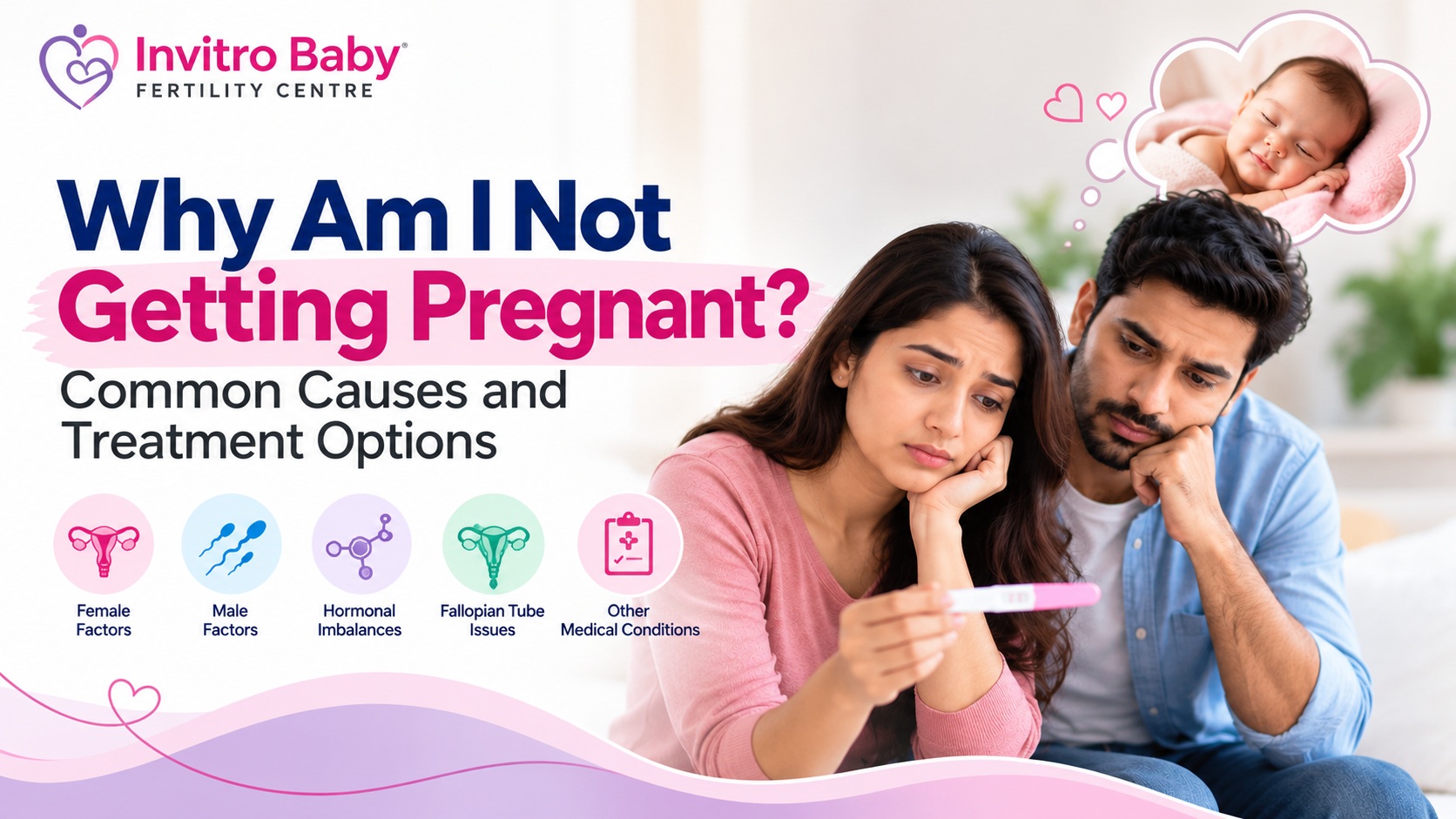
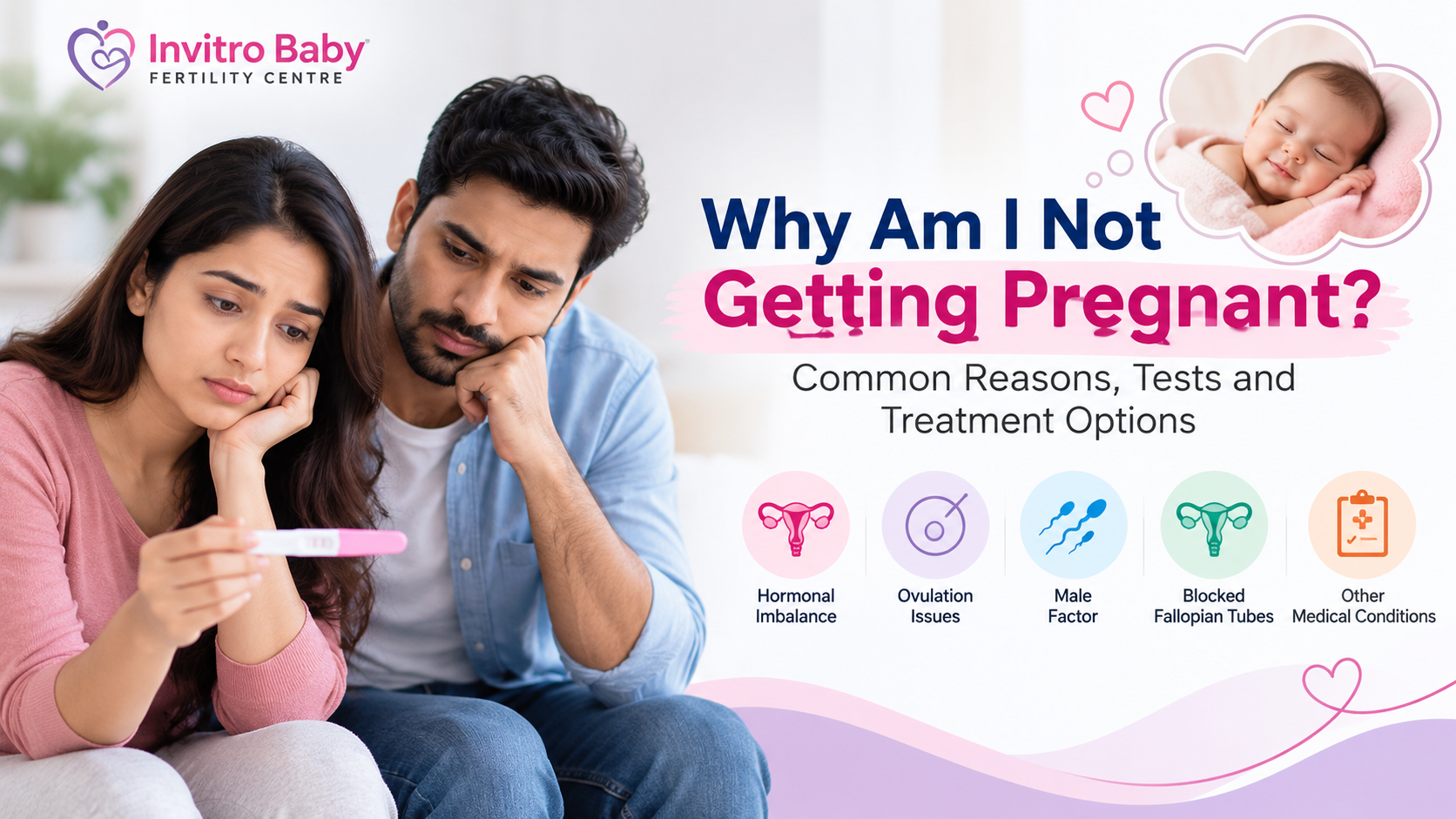
Common reasons for difficulty getting pregnant include:
- Irregular ovulation or hormonal imbalances
- Low egg reserve or age-related changes in fertility
- Male infertility, including low sperm count or poor sperm motility
- Blocked or damaged fallopian tubes
- Uterine abnormalities
- Conditions such as PCOS and endometriosis
- Timing intercourse outside the fertile window
- Unexplained infertility
Understanding the underlying cause is the first step towards choosing an appropriate treatment plan.
1. Common Causes of Female Infertility
Female fertility depends on several factors, including regular ovulation, healthy eggs, open fallopian tubes and a uterus that can support implantation.
Polycystic Ovary Syndrome (PCOS)
PCOS and infertility are commonly associated because PCOS can interfere with regular ovulation. Women with PCOS may experience irregular periods, infrequent ovulation, acne or increased facial hair.
However, having PCOS does not mean pregnancy is impossible. Depending on individual circumstances, treatment may include lifestyle modifications, ovulation-inducing medication, or fertility treatments such as IUI or IVF.
Irregular Ovulation
Ovulation is the process in which an ovary releases an egg. If ovulation occurs irregularly or does not occur, the chances of conception may decrease.
Possible causes include hormonal imbalances, thyroid disorders, elevated prolactin levels, PCOS and changes in ovarian function.
A fertility specialist may recommend blood tests, menstrual history assessment and ultrasound examinations to evaluate ovulation.
Low Egg Reserve and Egg Quality
Low AMH (Anti-Müllerian Hormone) may indicate a lower ovarian reserve, which refers to the remaining supply of eggs in the ovaries. However, AMH alone cannot determine whether a woman can conceive naturally or predict the exact likelihood of pregnancy.
Age is also an important factor because both egg quantity and egg quality can change over time.
Depending on the evaluation, a doctor may discuss natural conception, fertility preservation where appropriate, or treatments such as IVF.
Blocked Fallopian Tubes
The fallopian tubes help sperm and egg meet and allow the early embryo to travel towards the uterus. If one or both tubes are blocked or damaged, natural conception may become more difficult.
Previous pelvic infections, endometriosis and certain abdominal or pelvic surgeries can contribute to tubal damage.
A test such as hysterosalpingography (HSG) may be recommended to assess whether the fallopian tubes are open. IVF may be considered in some cases of significant tubal damage.
Endometriosis
Endometriosis and infertility can be linked because this condition may affect the ovaries, fallopian tubes and pelvic environment. Some women with endometriosis experience painful periods or pelvic pain, while others have few noticeable symptoms.
Treatment depends on the severity of the condition, age, ovarian reserve and pregnancy goals. Options may include medical or surgical management and assisted reproductive techniques.
2. Male Infertility: A Commonly Overlooked Factor
Difficulty conceiving is not only a female reproductive health issue. Male factors contribute to many cases of infertility, either independently or alongside female factors.
Important male infertility causes include:
- Low sperm count: Fewer sperm than expected in the semen.
- Poor sperm motility: Sperm may have difficulty moving effectively.
- Abnormal sperm morphology: A higher proportion of sperm may have an atypical shape.
- Hormonal problems: Certain hormonal conditions can affect sperm production.
- Varicocele: Enlarged veins around the testicles that may affect sperm health in some men.
- Obstruction or reproductive conditions: These can interfere with sperm transport.
A semen analysis test is usually an important first step in evaluating male fertility. Depending on the findings, the doctor may recommend hormonal testing, a physical examination or further investigations.
Treatment may include addressing an underlying condition, selected medications or surgery where appropriate, or assisted reproductive techniques such as ICSI treatment.
3. Could Your Timing Be Affecting Your Chances of Pregnancy?
Even when both partners have no identified fertility problems, pregnancy may not occur immediately.
The fertile window generally includes the five days before ovulation and the day of ovulation. Having intercourse every one to two days during this period can help maximise the opportunity for conception.
Ovulation predictor kits, menstrual cycle tracking and changes in cervical mucus may help identify the fertile window. However, cycle-tracking methods may be less reliable for women with irregular periods.
If you have irregular cycles or have been trying to conceive for longer than recommended, consulting a fertility specialist can help determine whether further evaluation is appropriate.
4. When Should You See a Fertility Specialist?
The appropriate time to seek medical advice depends partly on age and individual medical history.
- Under 35 years: Consider a fertility evaluation after 12 months of regular, unprotected intercourse without pregnancy.
- Age 35–39 years: Consider an evaluation after six months of trying.
- Over 40 years: Seek medical advice promptly rather than waiting several months.
You should also consider earlier evaluation if you have irregular or absent periods, known PCOS, endometriosis, previous pelvic infections, suspected tubal problems, recurrent pregnancy loss or a known male fertility concern.
These are general guidelines. Your doctor may recommend an earlier assessment based on your individual circumstances.
5. What Fertility Tests May Be Recommended?
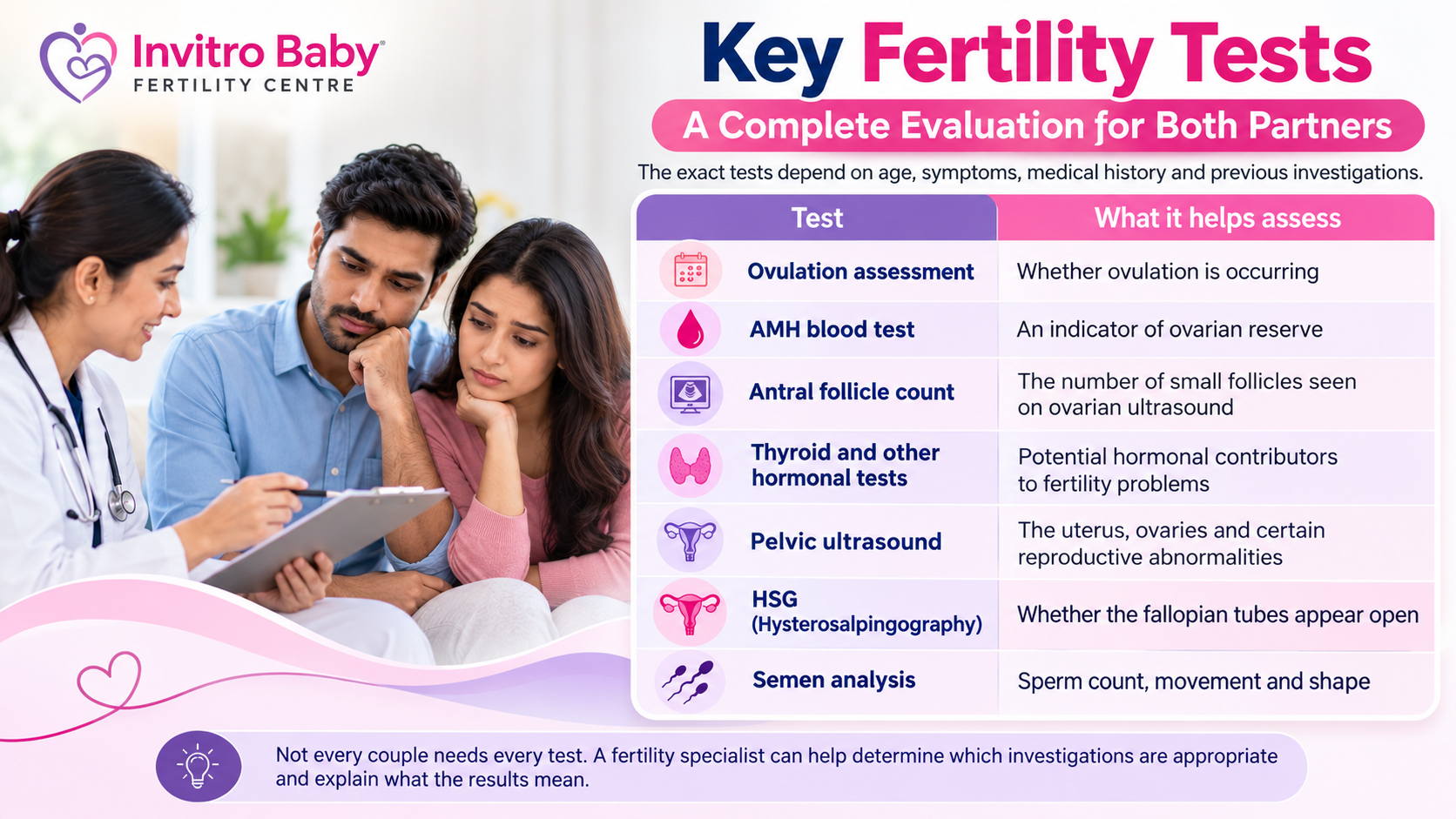
6. Treatment Options for Difficulty Getting Pregnant
The best treatment depends on the cause of infertility, the age of both partners, the duration of trying to conceive and other medical factors.
Lifestyle Changes and Timed Intercourse
For some couples, addressing modifiable factors and identifying the fertile window may help. Maintaining a balanced diet, regular physical activity, avoiding smoking, limiting alcohol and managing existing health conditions can support general reproductive health.
Lifestyle changes cannot correct every fertility problem, so medical evaluation remains important when pregnancy is delayed.
Ovulation Induction
For women who do not ovulate regularly, a doctor may recommend medication to stimulate ovulation. Treatment and monitoring depend on the underlying condition and the woman’s response.
These medicines should only be used under appropriate medical supervision because they may carry risks, including multiple pregnancy.
Intrauterine Insemination (IUI)
IUI treatment involves placing prepared sperm directly into the uterus around the time of ovulation.
IUI may be suitable for selected couples with unexplained infertility, certain ovulation-related problems or some mild male fertility factors, provided other relevant conditions are favourable.
It may not be appropriate when both fallopian tubes are blocked or when more complex fertility issues are present.
In Vitro Fertilisation (IVF)
IVF treatment involves stimulating the ovaries to produce eggs, retrieving the eggs, fertilising them in a laboratory and transferring an embryo into the uterus.
IVF may be recommended for various fertility conditions, including blocked fallopian tubes, some cases of endometriosis, certain male infertility factors and situations where other treatments have not been successful.
The expected outcome varies according to factors such as age, diagnosis, embryo development and treatment history. No treatment can guarantee pregnancy.
Intracytoplasmic Sperm Injection (ICSI)
ICSI treatment is a specialised form of IVF in which an embryologist injects a single sperm into an egg.
It may be recommended for certain cases of male infertility, previous fertilisation problems or other specific clinical indications. ICSI is not necessary for every IVF cycle, and its suitability should be determined by the treating specialist.
7. How Can You Improve Your Fertility Health?
Although not all fertility problems are preventable, the following steps may support reproductive health:
- Track your menstrual cycle and learn about your fertile window.
- Maintain a balanced diet and a healthy, sustainable activity routine.
- Avoid smoking and recreational drugs, and discuss alcohol use with your doctor.
- Manage existing medical conditions, including thyroid disorders and diabetes.
- Discuss medications and supplements with your healthcare professional before using them for fertility.
- Arrange fertility testing for both partners when indicated.
- Seek medical advice without unnecessary delays if you have risk factors or are above the recommended age thresholds.
Women planning pregnancy should also discuss folic acid supplementation and preconception care with their healthcare professional.
Remember that fertility is influenced by several biological factors. Difficulty conceiving is not a personal failure, and lifestyle changes alone may not resolve an underlying medical condition.
8. What Is Unexplained Infertility?
Sometimes, standard fertility investigations do not identify a clear reason why a couple is unable to conceive. This is known as unexplained infertility.
It does not mean that no biological factors exist. Rather, the available tests have not identified a definite explanation.
Depending on the couple’s age, how long they have been trying to conceive and their test results, the fertility specialist may discuss continued attempts at natural conception, ovarian stimulation with IUI, IVF or other appropriate options.
A personalised treatment plan can help couples understand the potential benefits, limitations, costs and risks of each approach.
Frequently Asked Questions (FAQs)
1. Why am I not getting pregnant even though my periods are regular?
Regular periods can suggest that ovulation is occurring, but they do not confirm that all aspects of fertility are normal. Sperm health, fallopian tube function, egg-related factors and uterine conditions may also affect conception.
2. Can I get pregnant naturally after one year of trying?
Yes, natural pregnancy may still be possible. However, if you have been trying for 12 months without success, or six months if you are 35 or older, a fertility evaluation is recommended. The appropriate next step depends on your individual circumstances.
3. What is the most common cause of infertility?
There is no single cause that applies to everyone. Infertility may involve ovulation problems, age-related fertility changes, tubal conditions, male factors or a combination of these.
4. Can PCOS prevent pregnancy?
PCOS can make conception more difficult when it interferes with ovulation, but many women with PCOS conceive with appropriate management. Treatment depends on individual health and fertility goals.
5. Is IVF the only option if I am not getting pregnant?
No. Depending on the cause, options may include timed intercourse, treatment for an underlying condition, ovulation induction, IUI or IVF. IVF is not necessary for every couple experiencing difficulty conceiving.
6. When should both partners get fertility tests?
Both partners can be evaluated at the same time when a fertility assessment is indicated. This helps identify potential contributing factors and avoids unnecessary delays in selecting an appropriate treatment plan.
Take the Next Step Towards Understanding Your Fertility
If you have been trying to conceive without success, understanding the possible causes can help you make informed decisions about your reproductive health. The first step is not necessarily IVF; it is a proper evaluation to understand your individual situation.
At Invitro Baby Fertility Centre, couples can discuss fertility concerns, diagnostic investigations and potential treatment options with a fertility specialist. The recommended approach should be based on medical history, test results and individual needs.
Book a fertility consultation to discuss your concerns and understand which next steps may be appropriate for you.
Medical disclaimer: This article is for educational purposes only and does not replace individual medical advice, diagnosis or treatment. Please consult a qualified fertility specialist for personalised guidance.