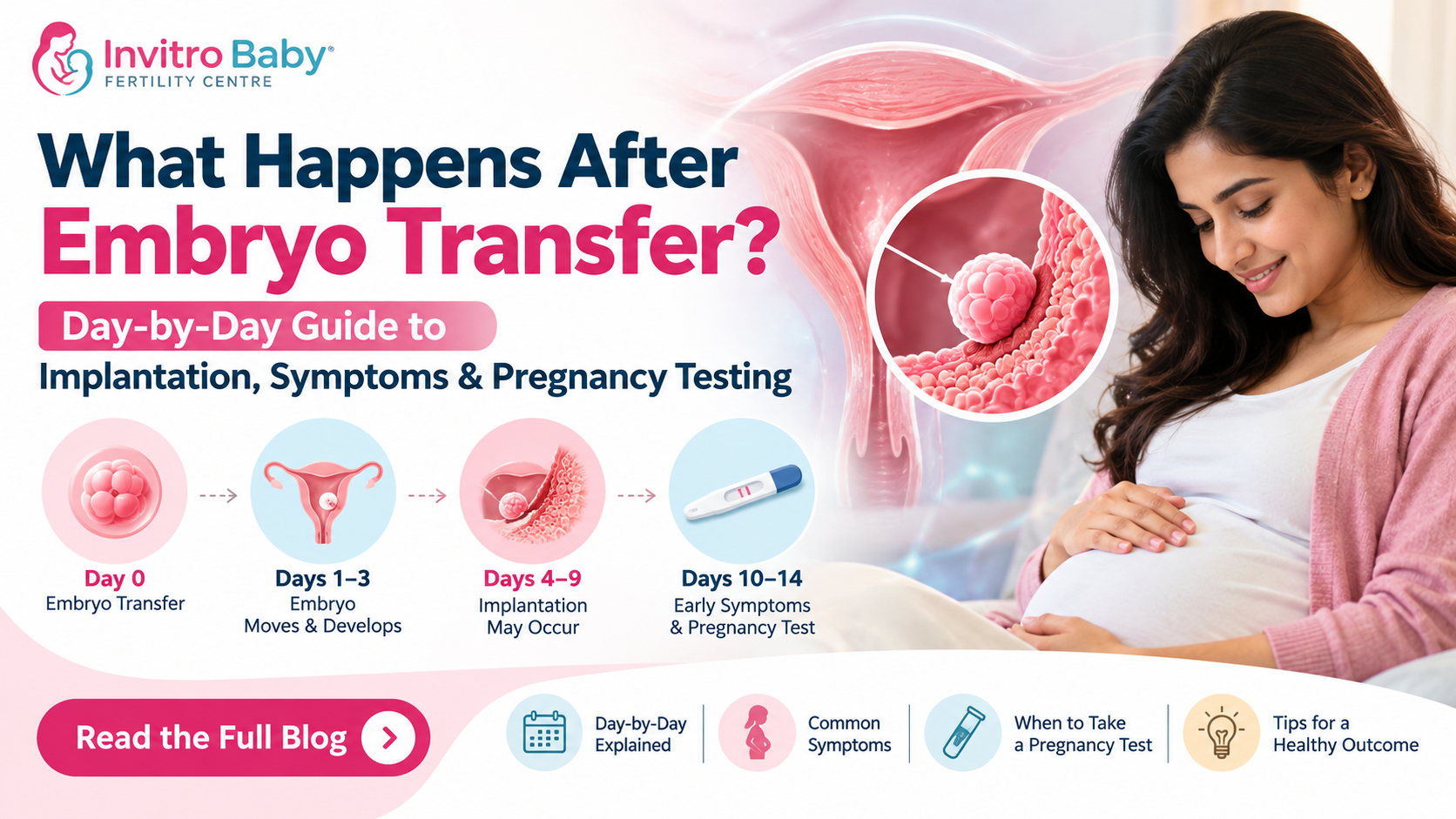
Embryo transfer is an important milestone in the IVF journey. After the procedure, many patients wonder what happens inside the uterus, when implantation may occur, which symptoms are normal, and when they can take a pregnancy test.
The waiting period after embryo transfer, often called the two-week wait after IVF, can bring excitement, hope and uncertainty. Some people experience mild cramping, bloating or breast tenderness, while others notice no symptoms at all.
Understanding the process can help you know what to expect without interpreting every physical sensation as a sign of success or failure.
In this guide, we explain what happens after embryo transfer day by day, the possible symptoms after embryo transfer, how implantation works, what precautions to follow, and when to take a pregnancy test.
What Happens After Embryo Transfer?
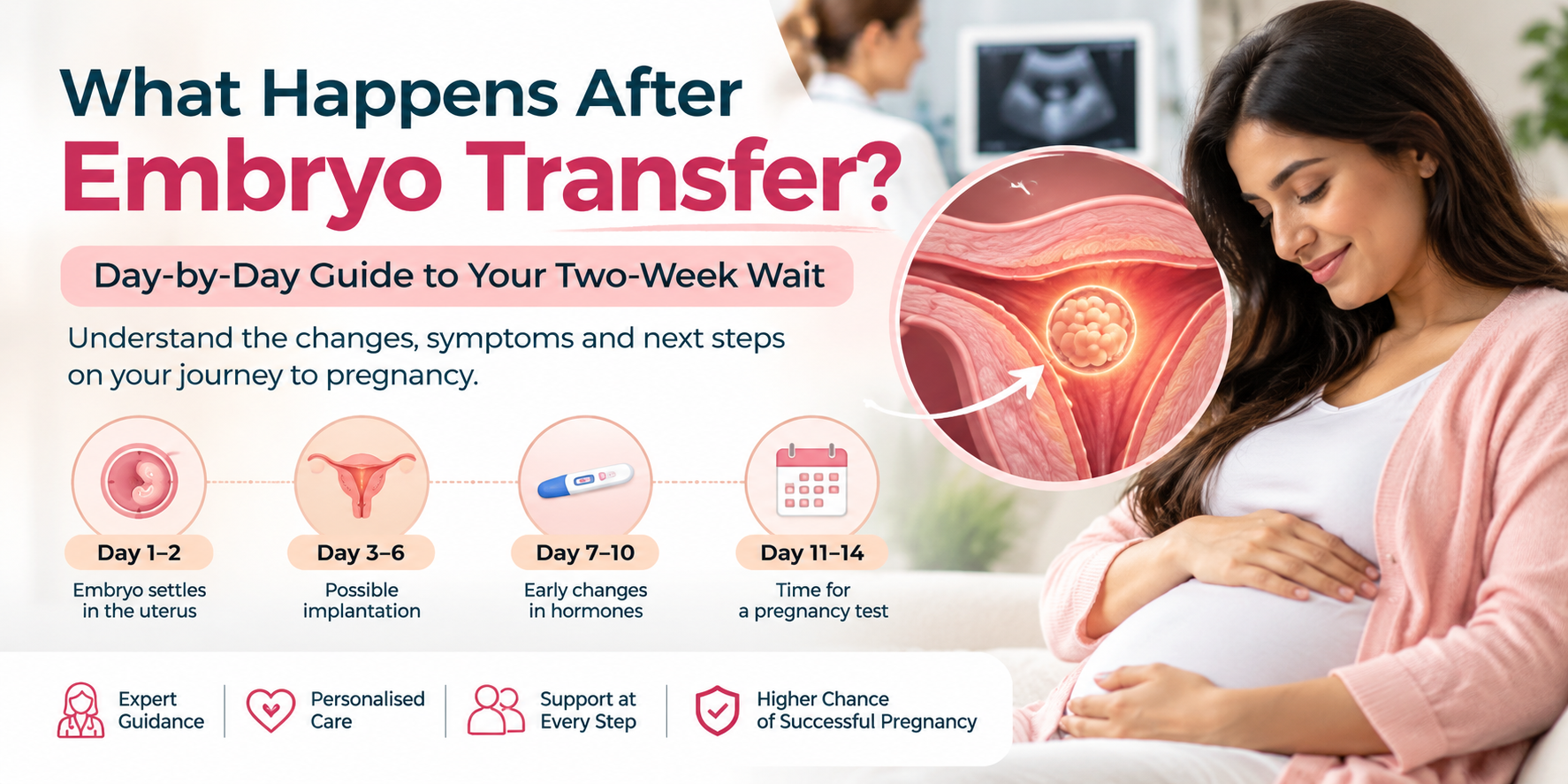
During IVF (In Vitro Fertilisation), an embryo created in the laboratory is placed inside the uterus using a thin, flexible catheter. After transfer, the embryo may continue developing and, if conditions are suitable, attach to the uterine lining through a process called implantation.
Successful implantation allows pregnancy to begin developing. The developing pregnancy produces human chorionic gonadotropin (hCG), the hormone measured by pregnancy tests.
However, embryo transfer does not guarantee implantation or pregnancy. The outcome depends on several factors, including embryo development, embryo genetics, uterine conditions, age and individual medical circumstances.
What Happens After Embryo Transfer Day by Day?
The timeline below is a general guide, particularly for a Day 5 blastocyst transfer. The exact timing varies depending on the embryo’s developmental stage and individual circumstances.
Day 1 After Embryo Transfer: The Embryo Continues Developing
After transfer, the embryo is inside the uterine cavity. Depending on its developmental stage, it may continue developing and preparing for attachment to the uterine lining.
Possible symptoms after embryo transfer:
- Mild abdominal cramping
- A feeling of pelvic pressure
- Light spotting following the procedure
- Bloating or fatigue
These symptoms may be related to the transfer procedure or fertility medications. Some patients feel completely normal, which is also common.
Day 2 After Embryo Transfer: Preparing for Implantation
A transferred blastocyst may continue hatching from its protective outer layer before attaching to the endometrium, or uterine lining. The exact process depends on the embryo’s developmental stage.
There may be no noticeable physical changes during this time.
What should you do? Continue your prescribed medications, eat regular balanced meals, drink enough water and follow your fertility specialist’s instructions.
Day 3 After Embryo Transfer: Early Attachment May Occur
For some Day 5 blastocyst transfers, the embryo may begin attaching to the uterine lining around this stage. The timing varies, and implantation may occur earlier or later.
Possible symptoms include:
- Mild cramps
- Occasional pelvic discomfort
- Light spotting
- No noticeable symptoms
These signs cannot confirm implantation. Their absence does not mean the IVF cycle has failed.
Day 4 After Embryo Transfer: Implantation May Be Progressing
If implantation has begun, the embryo may continue attaching to and interacting with the uterine lining. These changes happen at a microscopic level and usually cannot be felt directly.
You may experience mild bloating, breast tenderness or fatigue due to progesterone support or other fertility medications.
Important: Do not use symptoms alone to judge whether embryo implantation has been successful.
Day 5 After Embryo Transfer: Continued Early Development
In a successful cycle, implantation may be progressing or may already have occurred, depending on the embryo and its developmental timing.
Some patients look for implantation bleeding around this time. However, spotting is not a reliable sign of pregnancy, and many healthy pregnancies occur without any spotting.
If you experience bleeding, follow your clinic’s instructions and contact your fertility team if you are concerned.
Day 6 After Embryo Transfer: Early Pregnancy Hormone Production May Begin
Following successful implantation, developing placental tissue begins producing hCG. Initially, hormone levels may be too low for a pregnancy test to detect.
Possible symptoms include fatigue, breast tenderness, mild cramps or bloating. These symptoms can also be caused by progesterone medication.
A negative home pregnancy test at this stage would not reliably rule out pregnancy.
Day 7 After Embryo Transfer: The Waiting Period Continues
If implantation has occurred, hCG production continues. However, the amount of hormone varies, and a home pregnancy test may still be negative.
Some patients report:
- Mild abdominal discomfort
- Breast sensitivity
- Tiredness
- Mood changes
- No symptoms at all
Remember: There is no single set of symptoms that confirms successful implantation after IVF.
Day 8 After Embryo Transfer: Hormone Levels May Be Rising
In a developing pregnancy, hCG levels may be increasing. Nevertheless, the hormone concentration may not yet be high enough to produce a positive urine pregnancy test.
Avoid comparing your symptoms with those of other patients. Each IVF cycle is different, and fertility medications can influence how you feel.
Day 9 After Embryo Transfer: Is It Too Early to Test?
Some sensitive pregnancy tests may detect hCG around this time, but a negative result can still be misleading.
Testing too early may lead to unnecessary anxiety. In some treatment cycles, residual hCG from a trigger injection can also cause a false-positive result.
It is generally best to follow the pregnancy-test date provided by your fertility clinic rather than relying on early home testing.
Day 10 After Embryo Transfer: Early Testing May Still Be Inconclusive
Depending on the embryo stage and treatment protocol, a blood beta-hCG test may detect pregnancy around this period. However, Day 10 is not the correct testing date for every patient.
Your fertility specialist will determine when testing is appropriate.
Do not stop progesterone or other prescribed medication because of symptoms or an early negative home test.
Day 11 After Embryo Transfer: Follow Your Clinic’s Testing Plan
If pregnancy has occurred, hCG may be detectable in the blood. However, the timing and level vary from person to person.
Some patients notice breast tenderness, fatigue or nausea, while others experience no changes.
Neither the presence nor absence of these symptoms can reliably predict the result.
Day 12 After Embryo Transfer: Pregnancy Testing May Be Approaching
Depending on your clinic’s protocol, the official beta-hCG blood test may be scheduled around this time or a few days later.
A blood test measures hCG and can help your fertility specialist assess whether pregnancy has occurred. If the result is positive, your doctor may recommend a repeat test to evaluate how the hormone level changes.
Day 13 After Embryo Transfer: Prepare for Your Pregnancy Test
The wait can feel emotionally demanding, especially when every symptom seems significant.
Continue your prescribed medication and attend your scheduled appointment. Avoid changing your routine or medication based on information from online forums or other patients’ experiences.
Day 14 After Embryo Transfer: Pregnancy Test and Next Steps
For many IVF patients, the pregnancy test is scheduled approximately 12–14 days after transfer, although the exact timing varies by clinic and embryo stage.
Your doctor may recommend a quantitative beta-hCG blood test to confirm the result.
- If the test is positive: Your fertility specialist will advise you about medications, repeat blood testing if needed, and the timing of an ultrasound.
- If the test is negative: Your clinic will explain the next steps and when to stop or adjust medications.
- If the result is unclear: Your doctor may recommend another blood test after an appropriate interval.
Do not discontinue prescribed fertility medication without instructions from your treating clinic.
Symptoms After Embryo Transfer: What Is Normal?
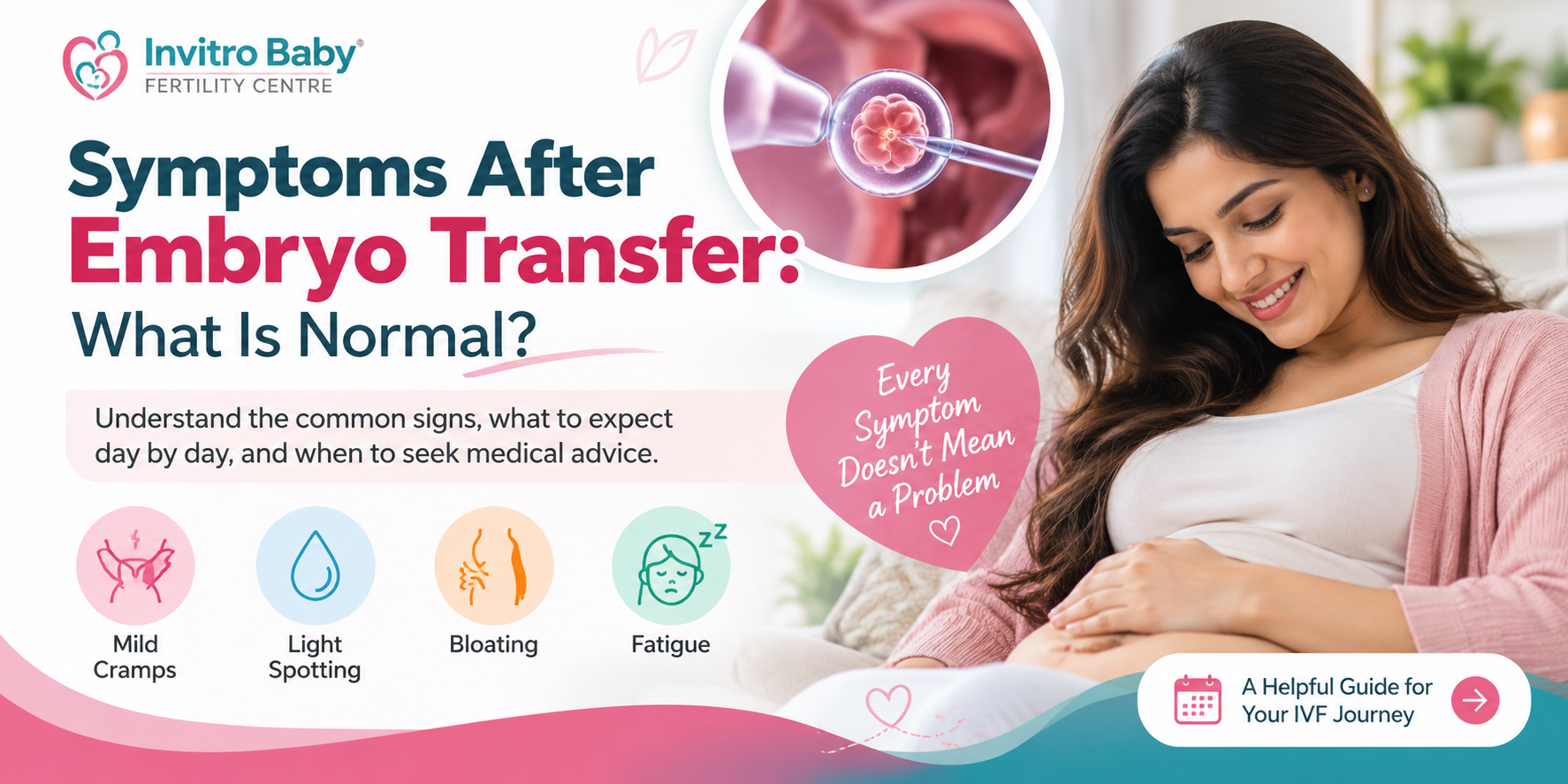
Symptoms after embryo transfer can vary widely. Some are associated with the procedure, while others may result from hormonal support.
Commonly reported symptoms include:
1. Mild cramping: Light cramps can occur after the procedure or during the waiting period. Cramping does not confirm implantation.
2. Light spotting: Small amounts of pink or brown spotting may occur, but spotting cannot reliably distinguish implantation from other causes.
3. Breast tenderness: Progesterone and other hormonal changes may cause breast sensitivity, even when pregnancy has not occurred.
4. Bloating: Fertility medications can contribute to abdominal bloating or a feeling of fullness.
5. Fatigue: Hormonal changes, medication and emotional stress may contribute to tiredness.
6. Mild nausea: Nausea may occur for several reasons, including medication effects, but it is not a dependable early pregnancy indicator.
7. No symptoms: Having no symptoms after embryo transfer is common and does not mean the treatment has failed.
No Symptoms After Embryo Transfer: Should You Worry?
No. Not experiencing symptoms after embryo transfer does not automatically mean that implantation has failed.
Some patients with a positive pregnancy test report no noticeable symptoms during the two-week wait. Others experience cramping or breast tenderness because of progesterone medication, whether or not pregnancy occurs.
The most reliable way to assess the outcome is to take the pregnancy test on the date recommended by your fertility specialist.
What to Do After Embryo Transfer to Support Your Health
There is no guaranteed method to make an embryo implant. However, following your treatment plan and maintaining healthy daily habits can support your overall well-being.
1. Take Your Prescribed Medication
Use progesterone and any other prescribed medicines exactly as instructed. Do not skip doses, change the dosage or stop treatment without consulting your fertility specialist.
2. Continue Gentle Daily Activities
Routine movement and gentle walking are generally acceptable after embryo transfer unless your doctor advises otherwise. Prolonged bed rest has not been shown to improve IVF outcomes.
Avoid strenuous exercise or activities restricted by your clinic.
3. Eat a Balanced Diet
Include vegetables, fruits, whole grains, protein sources and other nutritious foods. Stay hydrated and follow any individual dietary advice from your doctor.
No particular food, juice or home remedy can guarantee embryo implantation.
4. Avoid Alcohol and Smoking
Avoid alcohol and smoking while trying to conceive and during the potential early pregnancy period. Ask your doctor about caffeine intake, supplements and any medications you use.
5. Prioritise Emotional Well-Being
The two-week wait can be stressful. Gentle activities, adequate sleep, relaxation techniques and support from trusted people may help you manage the uncertainty.
Remember that ordinary feelings of stress or worry do not mean that you have caused an IVF cycle to fail.
6. Follow Your Fertility Clinic’s Instructions
Recommendations can differ according to whether you had a fresh embryo transfer or a frozen embryo transfer (FET), your medications and your medical history.
Your treating fertility team is best placed to give you personalised advice.
What Should You Avoid After Embryo Transfer?
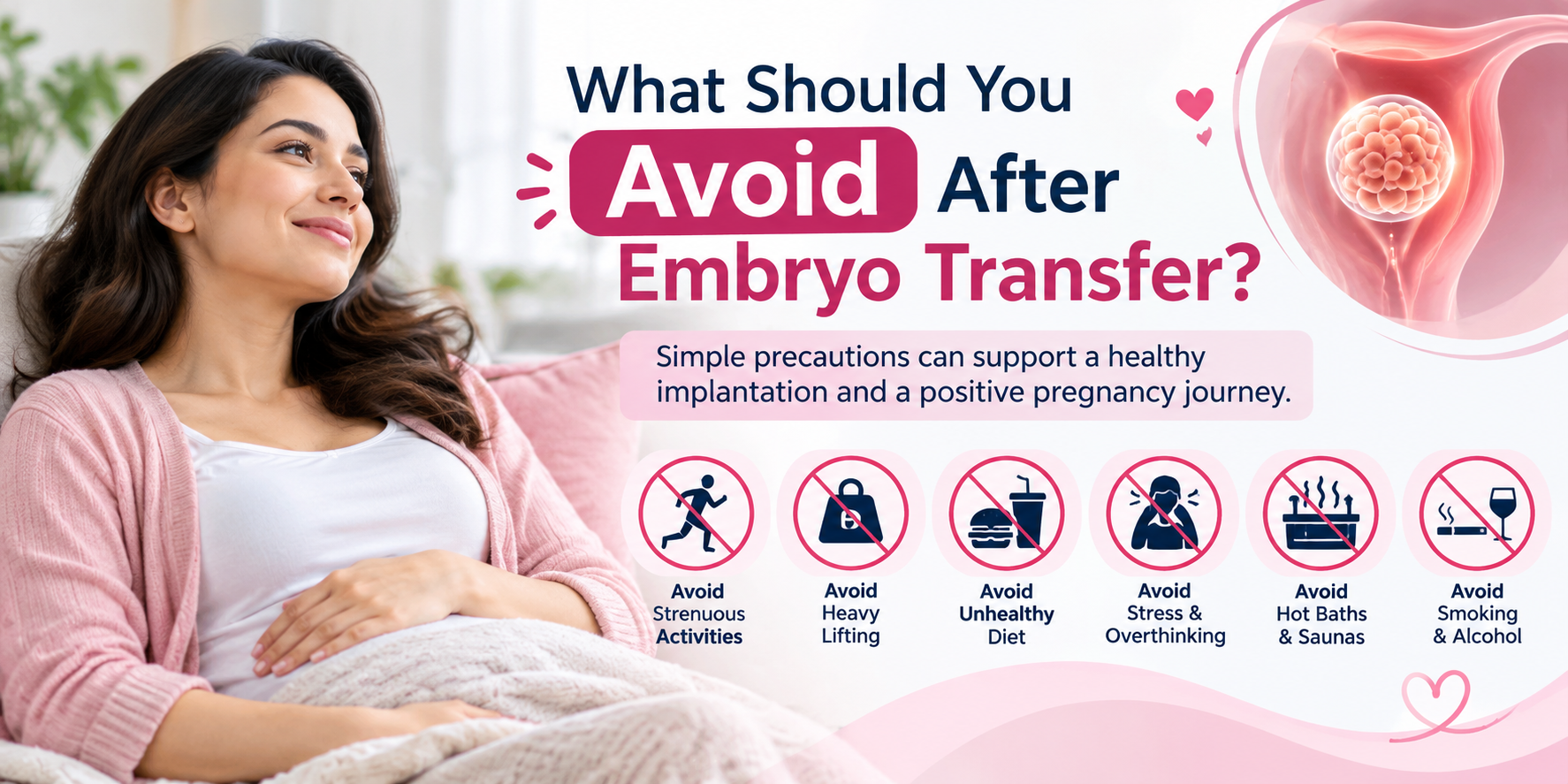
During the waiting period, it is sensible to:
- Avoid strenuous workouts or heavy lifting if your clinic advises restriction.
- Avoid alcohol, smoking and recreational drugs.
- Avoid starting herbal remedies or supplements without medical advice.
- Avoid taking non-prescribed medicines without checking with your doctor.
- Avoid early pregnancy testing that conflicts with your clinic’s instructions.
- Avoid stopping prescribed progesterone or other fertility medication independently.
You do not normally need to remain completely immobile after embryo transfer. Follow the activity advice given by your fertility specialist.
When Should You Contact Your Doctor?
Mild discomfort or light spotting may occur, but certain symptoms require prompt medical assessment.
Contact your fertility clinic urgently if you experience:
- Heavy vaginal bleeding
- Severe or worsening abdominal or pelvic pain
- Significant abdominal swelling or persistent vomiting
- Fever or feeling seriously unwell
- Reduced urination or difficulty breathing
After a positive pregnancy test, severe one-sided abdominal pain, shoulder-tip pain, dizziness or fainting may indicate an ectopic pregnancy or another serious complication. Seek emergency medical care.
If you recently underwent ovarian stimulation or egg retrieval, symptoms such as rapidly increasing abdominal swelling, difficulty breathing or reduced urine output may also indicate ovarian hyperstimulation syndrome (OHSS) and require urgent assessment.
Frequently Asked Questions About What Happens After Embryo Transfer
1. How many days after embryo transfer does implantation occur?
After a Day 5 blastocyst transfer, implantation may begin within the following few days. The exact timing varies. After a Day 3 embryo transfer, the embryo generally needs additional development before implantation can occur.
2. What are the first signs of successful implantation after IVF?
There are no specific symptoms that reliably confirm successful implantation. Mild cramping, spotting, fatigue or breast tenderness may occur, but many patients have no symptoms. A pregnancy test is needed to assess the outcome.
3. Can I walk after embryo transfer?
Gentle walking and normal light daily activities are generally acceptable unless your fertility specialist advises otherwise. Prolonged bed rest is not routinely required after an uncomplicated embryo transfer.
4. Can I use the toilet after embryo transfer?
Yes. Urinating or having a bowel movement does not cause the embryo to fall out of the uterus. The embryo is placed inside the uterine cavity, which is separate from the urinary tract.
5. Is spotting after embryo transfer normal?
Light spotting can occur after the procedure or for other reasons during the waiting period. It does not prove that implantation has occurred. Contact your clinic if bleeding is heavy, persistent or accompanied by pain.
6. Can I take a pregnancy test 7 days after embryo transfer?
Testing at Day 7 may be too early and can produce a false-negative result. Residual hCG from a trigger injection may also affect some early test results. Follow the testing schedule recommended by your fertility clinic.
7. When should I take a pregnancy test after IVF?
The recommended date depends on the embryo stage and treatment protocol. Many clinics schedule testing around 12–14 days after transfer, but your own clinic may advise a different date. A beta-hCG blood test is commonly used to assess the result.
8. Do pregnancy symptoms after embryo transfer mean IVF has worked?
No. Symptoms such as nausea, bloating, cramps and breast tenderness can be caused by hormonal medication or other factors. They cannot reliably confirm pregnancy.
9. What happens if my pregnancy test is negative after embryo transfer?
Contact your fertility clinic to discuss the result and next steps. Your doctor will advise whether repeat testing is needed and how to manage your medication. Do not change or stop medication without their instructions.
10. Is bed rest necessary after embryo transfer?
Routine prolonged bed rest is not generally recommended after an uncomplicated embryo transfer. Follow your clinic’s individual instructions regarding rest and activity.
Conclusion
The days after embryo transfer are an important part of the IVF journey, but they can also be emotionally challenging. Understanding the possible implantation timeline, symptoms and pregnancy-testing process can help you approach the waiting period with realistic expectations.
Remember that symptoms cannot confirm IVF success, and having no symptoms does not mean that treatment has failed. Take your medication as prescribed, follow your fertility specialist’s advice and attend your scheduled pregnancy test.
For personalised guidance about IVF treatment, embryo transfer and fertility care, consult a qualified fertility specialist at Invitro Baby Fertility Centre.
Medical disclaimer: This article is for educational purposes only and does not replace individual medical advice, diagnosis or treatment. Embryo development and implantation timing vary. Always follow the instructions of your treating fertility specialist.