
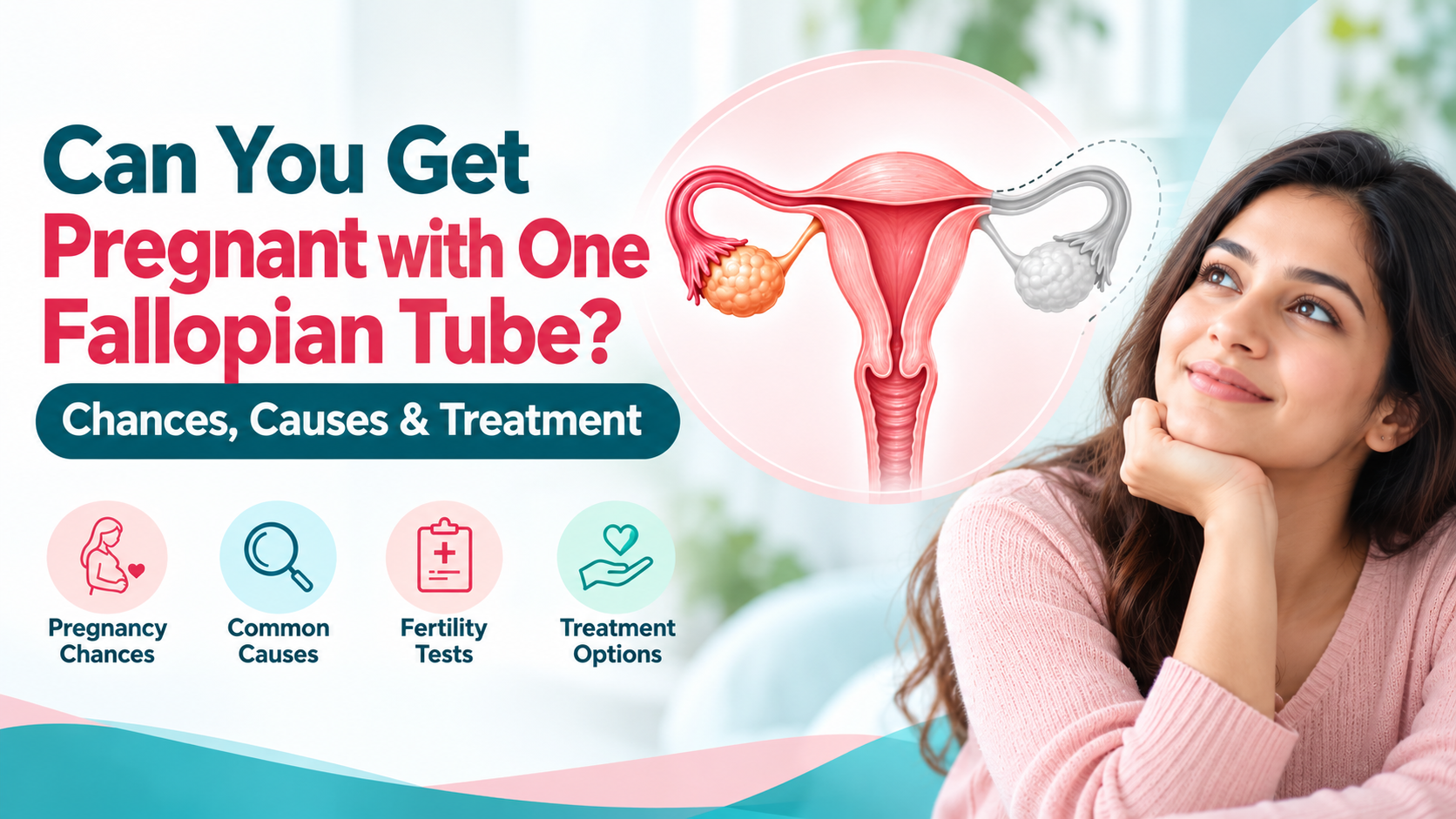
Can you get pregnant with one fallopian tube? Yes, natural pregnancy is possible for many women with one healthy, functioning fallopian tube. However, your chances of conception depend on several factors, including your age, ovulation, the health of your remaining tube, egg quality, sperm health and any underlying fertility conditions.
If you have had a fallopian tube removed because of an ectopic pregnancy, infection or another medical condition, you may still have options for building your family. Understanding how your reproductive system works and when to seek fertility guidance can help you make informed decisions.
In this guide, we explain the chances of pregnancy with one fallopian tube, common causes of losing a tube, fertility tests, available treatment options and when IVF may be considered.
Can You Get Pregnant with One Fallopian Tube Naturally?
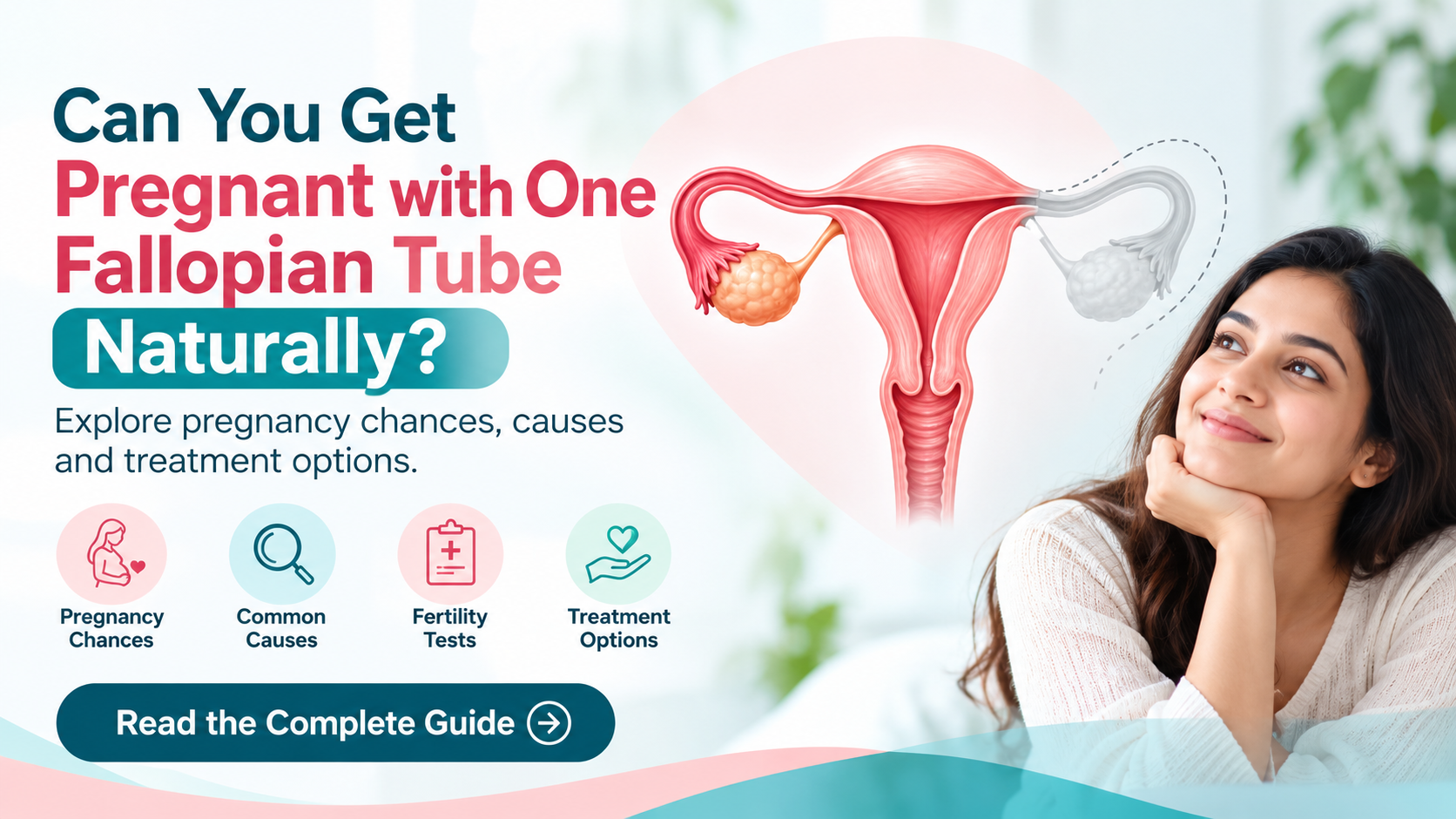
Yes. Getting pregnant naturally with one fallopian tube is possible if the remaining tube is healthy and functioning, ovulation occurs, and other important fertility factors are favourable.
Fallopian tubes play an essential role in natural conception. They help the sperm and egg meet and provide a pathway for the fertilised egg to travel towards the uterus.
Even if one fallopian tube has been removed or is permanently damaged, the other tube may still allow natural conception.
However, having one tube does not guarantee pregnancy. Your individual fertility depends on your overall reproductive health, the condition of the remaining tube and other factors affecting conception.
What Are the Chances of Getting Pregnant with One Fallopian Tube?
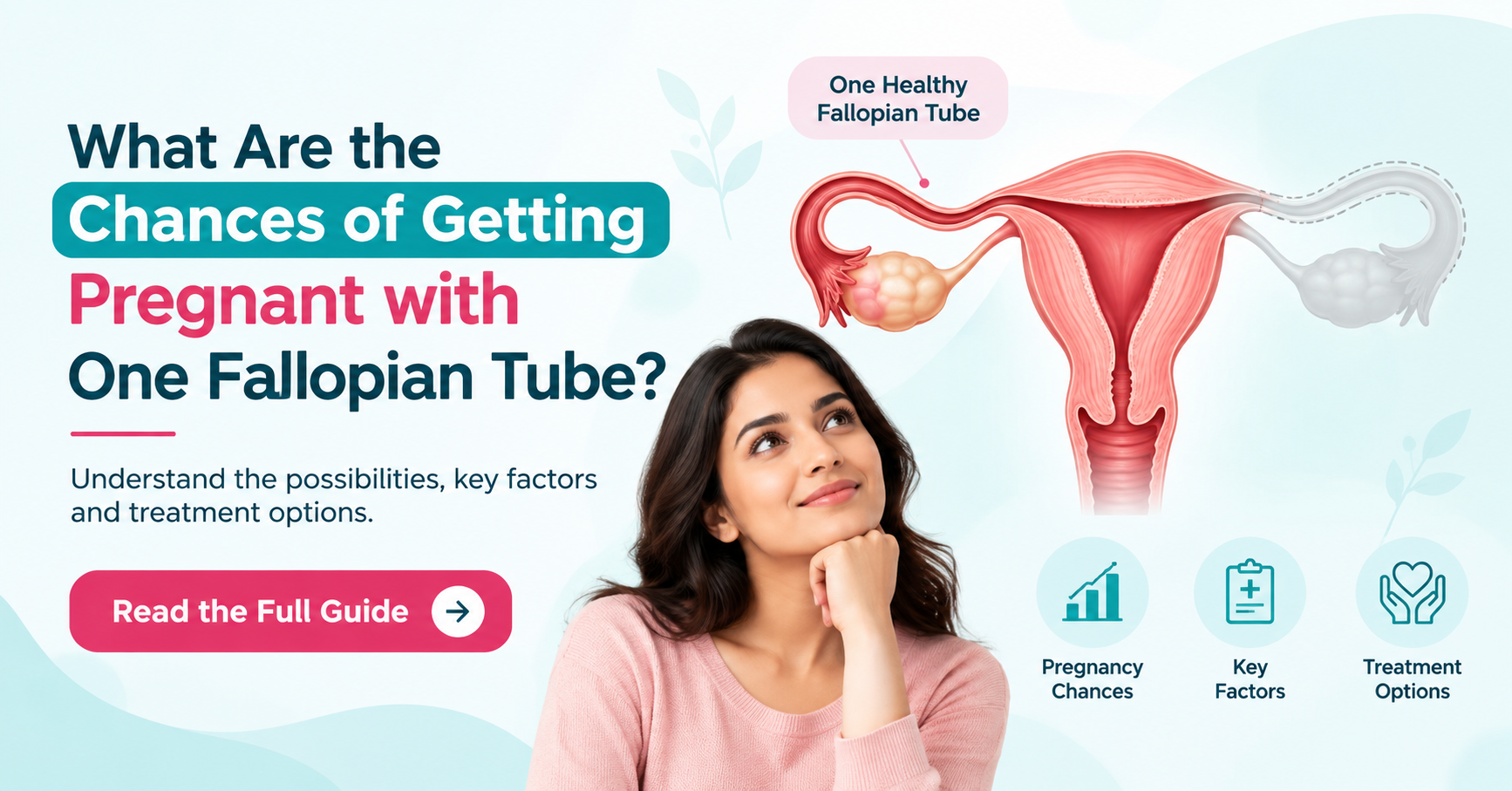
There is no single pregnancy success rate that applies to every woman with one fallopian tube. Your chances depend on your medical history and fertility assessment.
Several factors may influence your chances of conceiving naturally:
- Health of the remaining tube: It should be open and functioning properly.
- Age: Female fertility generally declines with age, particularly after the mid-30s.
- Ovulation: Regular ovulation supports the possibility of conception.
- Egg quality and ovarian reserve: These factors can influence fertility and treatment planning.
- Sperm health: Sperm count, movement and shape can affect fertilisation.
- Other reproductive conditions: Endometriosis, pelvic adhesions and uterine conditions may influence fertility.
A woman with one healthy tube and no other significant fertility issues may conceive naturally. If pregnancy does not occur, a fertility specialist can assess whether additional testing or treatment may be helpful.
How Does Pregnancy Happen with One Fallopian Tube?
To understand how pregnancy can occur with one tube, it helps to know the basic process of natural conception.
- Ovulation: An ovary releases an egg during the menstrual cycle.
- Egg pickup: A functioning fallopian tube may collect the released egg.
- Fertilisation: Sperm may meet and fertilise the egg within the tube.
- Movement towards the uterus: The fertilised egg travels towards the uterus.
- Implantation: The embryo attaches to the uterine lining, where the pregnancy can develop.
The remaining tube does not always need to be on the same side as the ovary releasing the egg. In some cases, a healthy tube can collect an egg released by the opposite ovary.
This does not happen in every cycle, and it is not possible to predict conception based on which ovary releases an egg alone.
What Causes a Woman to Have Only One Fallopian Tube?
There are several reasons why a woman may have only one fallopian tube or one tube that functions properly.
1. Previous Ectopic Pregnancy
An ectopic pregnancy occurs when a fertilised egg implants outside the uterus, most commonly in a fallopian tube. Depending on the severity of the condition, surgery may involve removing the affected tube.
2. Severe Fallopian Tube Damage
Significant scarring, blockage or structural damage may make a tube unsuitable for normal egg transport. In selected cases, a specialist may recommend surgery or removal.
3. Pelvic Inflammatory Disease (PID)
Pelvic inflammatory disease can cause inflammation and scarring in the reproductive tract. If the fallopian tubes are affected, this may interfere with natural conception.
4. Endometriosis
Endometriosis may cause inflammation and adhesions around the ovaries and fallopian tubes. The effect on fertility depends on the location and severity of the condition.
5. Previous Pelvic or Tubal Surgery
Some surgeries may be required to treat damaged tubes, certain infections, ectopic pregnancy or other medical conditions. The effect on future fertility depends on the procedure and the condition of the remaining tube.
In some cases, a woman may also be born with an absent or underdeveloped fallopian tube.
What Are the Signs of Fallopian Tube Problems?
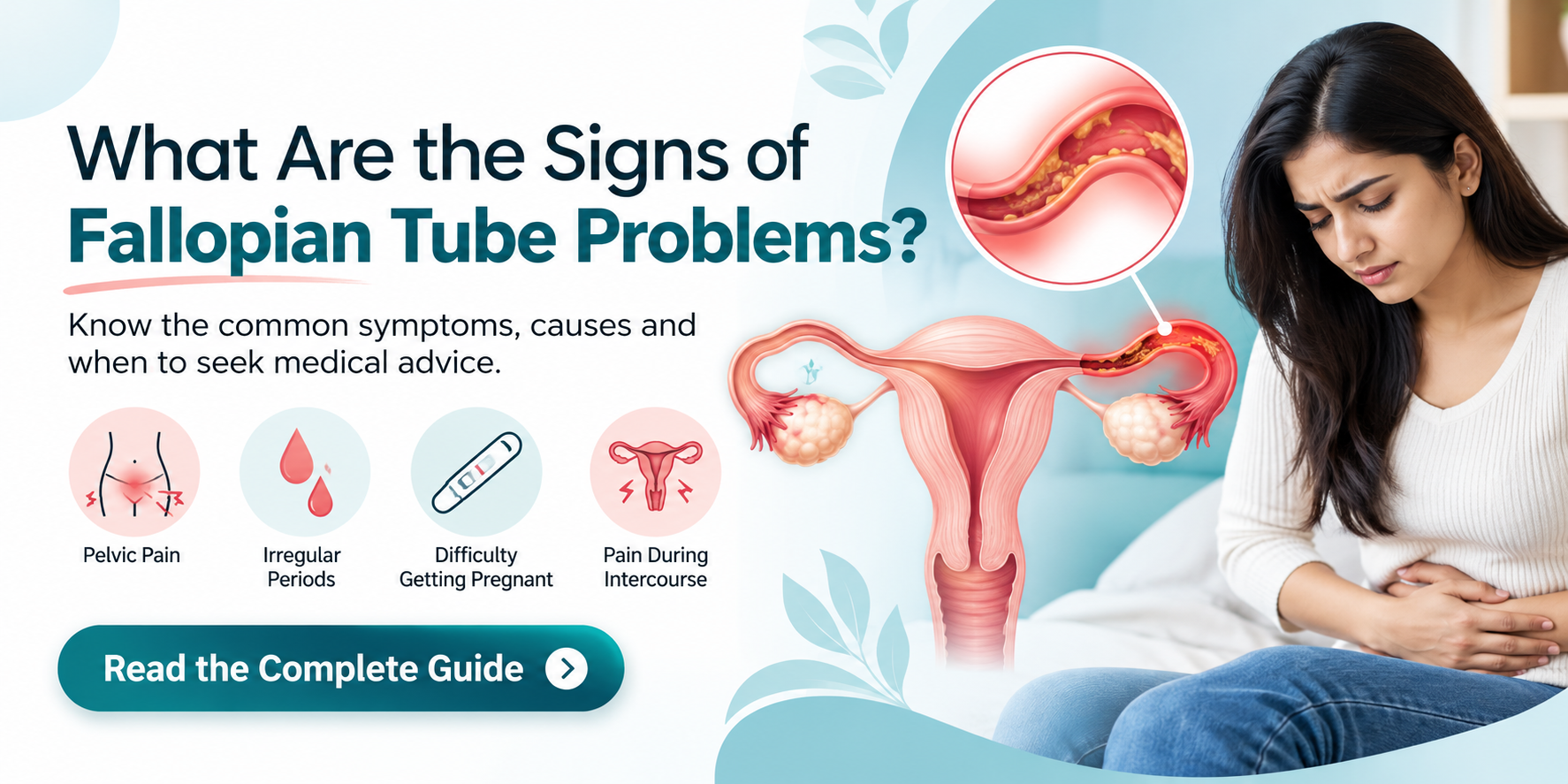
Fallopian tube damage does not always cause noticeable symptoms. Some women discover a problem only after undergoing fertility investigations.
Possible symptoms, depending on the underlying condition, may include:
- Difficulty getting pregnant.
- Persistent pelvic or lower abdominal pain.
- Painful periods.
- Pain during sexual intercourse.
- Unusual vaginal discharge, particularly with infection.
These symptoms do not necessarily mean that a fallopian tube is blocked or damaged. A medical evaluation is needed to identify the cause.
If you have been trying to conceive without success, consult a qualified gynaecologist or fertility specialist about appropriate investigations.
How Is Fallopian Tube Health Checked?
Your doctor may recommend one or more investigations based on your symptoms, medical history and fertility goals.
Hysterosalpingography (HSG)
HSG is an imaging test that uses contrast material and X-rays to examine the uterine cavity and check whether the fallopian tubes appear open.
Ultrasound and Other Imaging
Pelvic ultrasound can assess the uterus and ovaries and may identify certain abnormalities. However, a routine ultrasound cannot reliably rule out every type of fallopian tube blockage.
Laparoscopy
In selected cases, a doctor may recommend laparoscopy to examine the pelvic organs directly. It is an invasive surgical procedure and is not necessary for everyone.
Your specialist will determine which tests are appropriate. No single test is suitable for every fertility concern.
Treatment Options for Pregnancy with One Fallopian Tube
Treatment depends on the cause of infertility, the condition of the remaining tube and your overall reproductive health. Having one fallopian tube does not automatically mean that fertility treatment is required.
1. Natural Conception
If your remaining tube is healthy, ovulation occurs and no other major fertility concerns are identified, your doctor may advise trying to conceive naturally.
Your doctor can also help you understand the fertile window and whether any additional investigations are appropriate.
2. Treatment for Underlying Conditions
Conditions such as infections, endometriosis or certain tubal abnormalities may require specific treatment. The appropriate approach depends on the diagnosis and the extent of any damage.
Not all damaged tubes can be repaired, and treatment cannot guarantee natural pregnancy.
3. Fertility Evaluation for Both Partners
If conception is delayed, a fertility assessment may include ovulation evaluation, assessment of the remaining tube, ovarian reserve testing where appropriate and semen analysis for the male partner.
Evaluating both partners can help identify factors that may otherwise go unnoticed.
4. In Vitro Fertilisation (IVF)
IVF may be considered when natural conception is unlikely, the remaining tube is significantly damaged or blocked, other fertility factors are present, or previous treatment has not been successful.
During IVF, eggs are collected from the ovaries and fertilised with sperm in a laboratory. An embryo is then transferred into the uterus.
IVF can bypass the need for functional fallopian tubes, although other factors still influence the likelihood of a successful pregnancy.
A fertility specialist can explain whether IVF or another approach is suitable for your individual circumstances.
Can You Get Pregnant with One Fallopian Tube After an Ectopic Pregnancy?
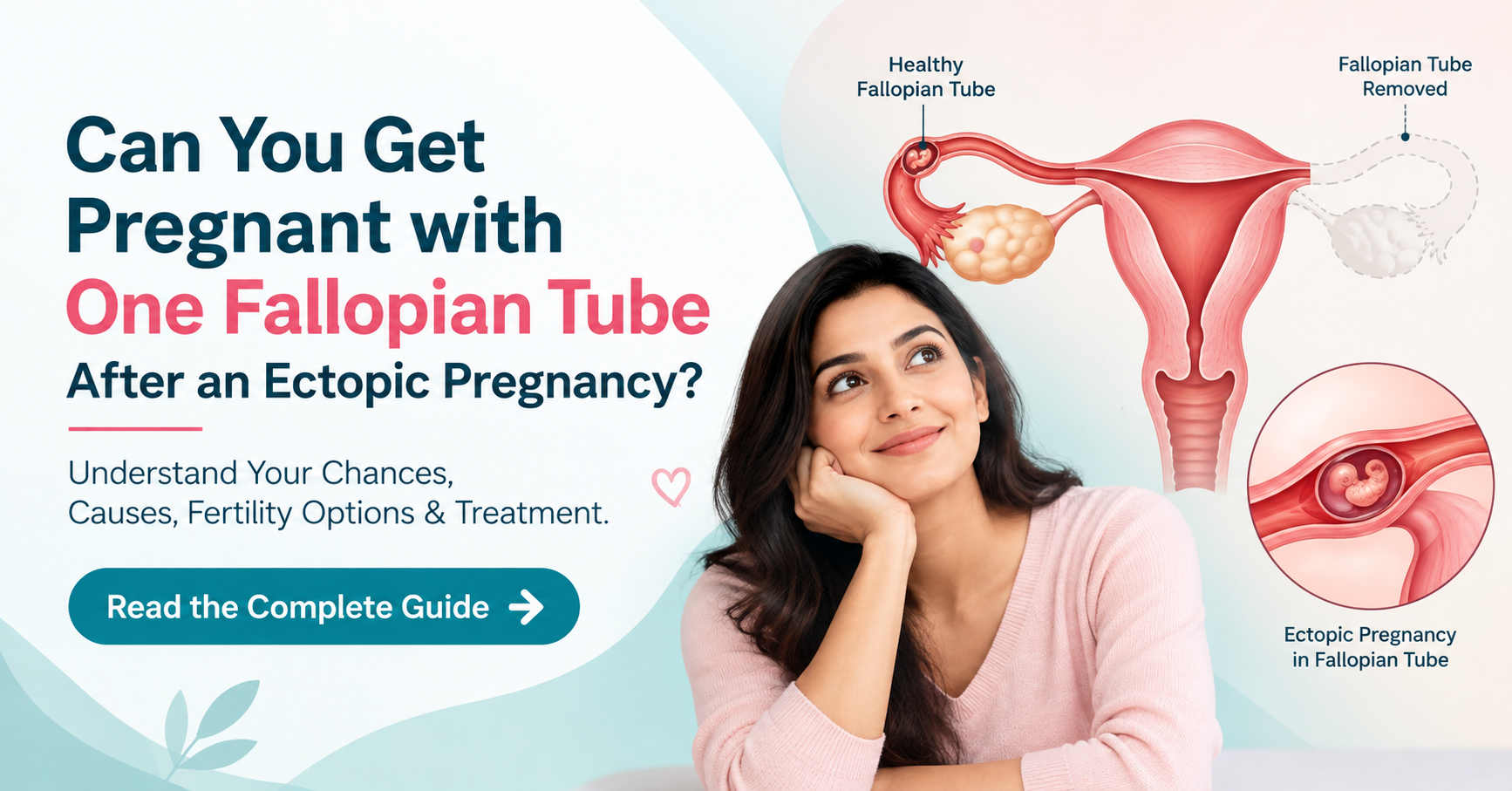
Yes, many women can have a future pregnancy after an ectopic pregnancy, including those who have had one fallopian tube removed.
However, a previous ectopic pregnancy can increase the risk of another ectopic pregnancy. Your doctor may recommend early assessment in your next pregnancy to confirm that the pregnancy is developing inside the uterus.
If you have a positive pregnancy test after a previous ectopic pregnancy, contact your healthcare provider promptly to discuss early monitoring.
Seek emergency medical attention if you experience severe or sudden abdominal pain, shoulder-tip pain, fainting, marked dizziness or heavy bleeding, particularly if pregnancy is possible. These can be warning signs of an ectopic pregnancy or internal bleeding.
When Should You Consult a Fertility Specialist?
Consider a fertility consultation if:
- You have had a fallopian tube removed.
- You have a history of ectopic pregnancy or pelvic infection.
- Your remaining tube is known to be blocked or damaged.
- You have been trying to conceive for 12 months if you are under 35, or for 6 months if you are 35 or older.
- You are over 40 or have a known fertility condition and want to discuss your options sooner.
You do not need to wait for the usual timeframe if you already know that you have a fertility-related condition.
Frequently Asked Questions (FAQs)
1. Can I get pregnant naturally with only one fallopian tube?
Yes. Natural conception is possible if the remaining tube is healthy and functioning, ovulation occurs and other fertility factors are favourable.
2. Can I get pregnant if one fallopian tube is removed?
Yes. Many women can conceive naturally after one tube is removed, provided the remaining tube is functioning and there are no other significant fertility problems.
3. Can I get pregnant if I ovulate from the side without a fallopian tube?
Pregnancy may still be possible. In some cases, the remaining tube can collect an egg released by the opposite ovary. This is not guaranteed in every cycle.
4. Does having one fallopian tube reduce fertility?
It may reduce the overall opportunities for natural conception, but the impact varies. Age, tubal health, ovulation, sperm health and other reproductive factors also matter.
5. Is IVF necessary if I have one fallopian tube?
No. IVF is not automatically necessary. If the remaining tube is healthy and other fertility factors are favourable, natural conception may be possible. IVF may be considered when clinically appropriate.
6. Can I have a healthy pregnancy after an ectopic pregnancy?
Yes, a healthy pregnancy may be possible after an ectopic pregnancy. However, the risk of another ectopic pregnancy may be higher, so early medical assessment is important.
7. How long does it take to get pregnant with one fallopian tube?
There is no fixed timeframe. It depends on age, ovulation, tubal function, sperm health and other fertility factors. A specialist can advise you based on your individual circumstances.
Conclusion
Having one fallopian tube does not mean that natural pregnancy is impossible. Many women conceive with one healthy, functioning tube, while others may benefit from further evaluation or fertility treatment such as IVF.
The most important step is understanding the condition of your remaining tube and identifying any other factors that could affect conception. With an appropriate medical assessment, you can discuss the options best suited to your fertility goals.
If you have concerns about your fallopian tube health or difficulty conceiving, consider consulting a qualified gynaecologist or fertility specialist for personalised guidance.
Medical disclaimer: This article is for general educational purposes only and is not a substitute for professional medical advice, diagnosis or treatment.
One Response