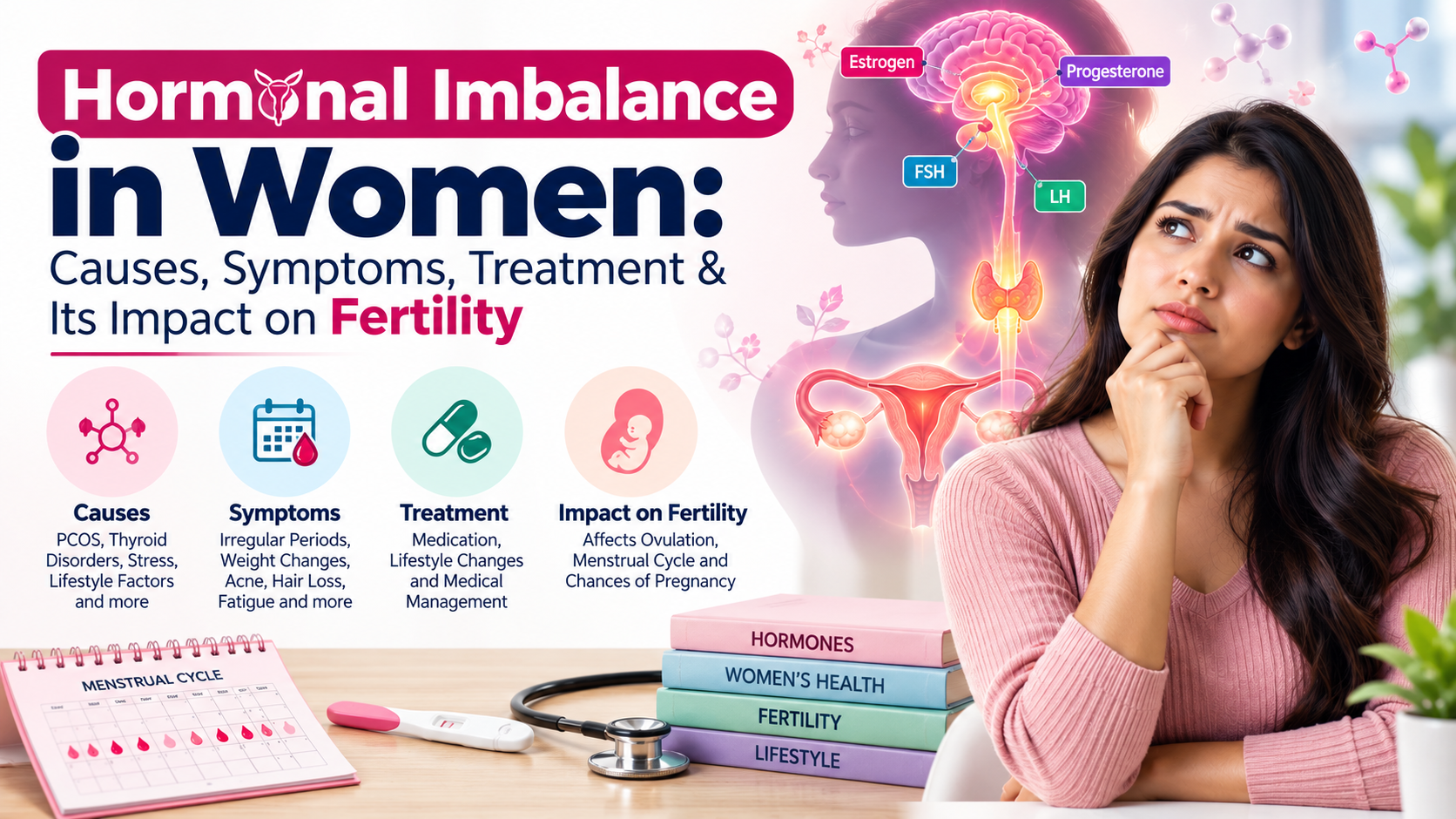
Hormones play an important role in a woman’s menstrual cycle, reproductive health, metabolism, mood and overall well-being. When one or more hormones are produced in excessive or insufficient amounts, they may affect normal body functions and, in some cases, make it more difficult to conceive.
Hormonal imbalance in women is a common concern, particularly among women experiencing irregular periods, PCOS, thyroid disorders or difficulty getting pregnant. Understanding the possible causes, recognising symptoms early and seeking appropriate medical guidance can help women make informed decisions about their health and fertility.
In this blog, we explore the causes of hormonal imbalance, common symptoms, available diagnostic tests, treatment options and its connection with female fertility.
What Is Hormonal Imbalance in Women?
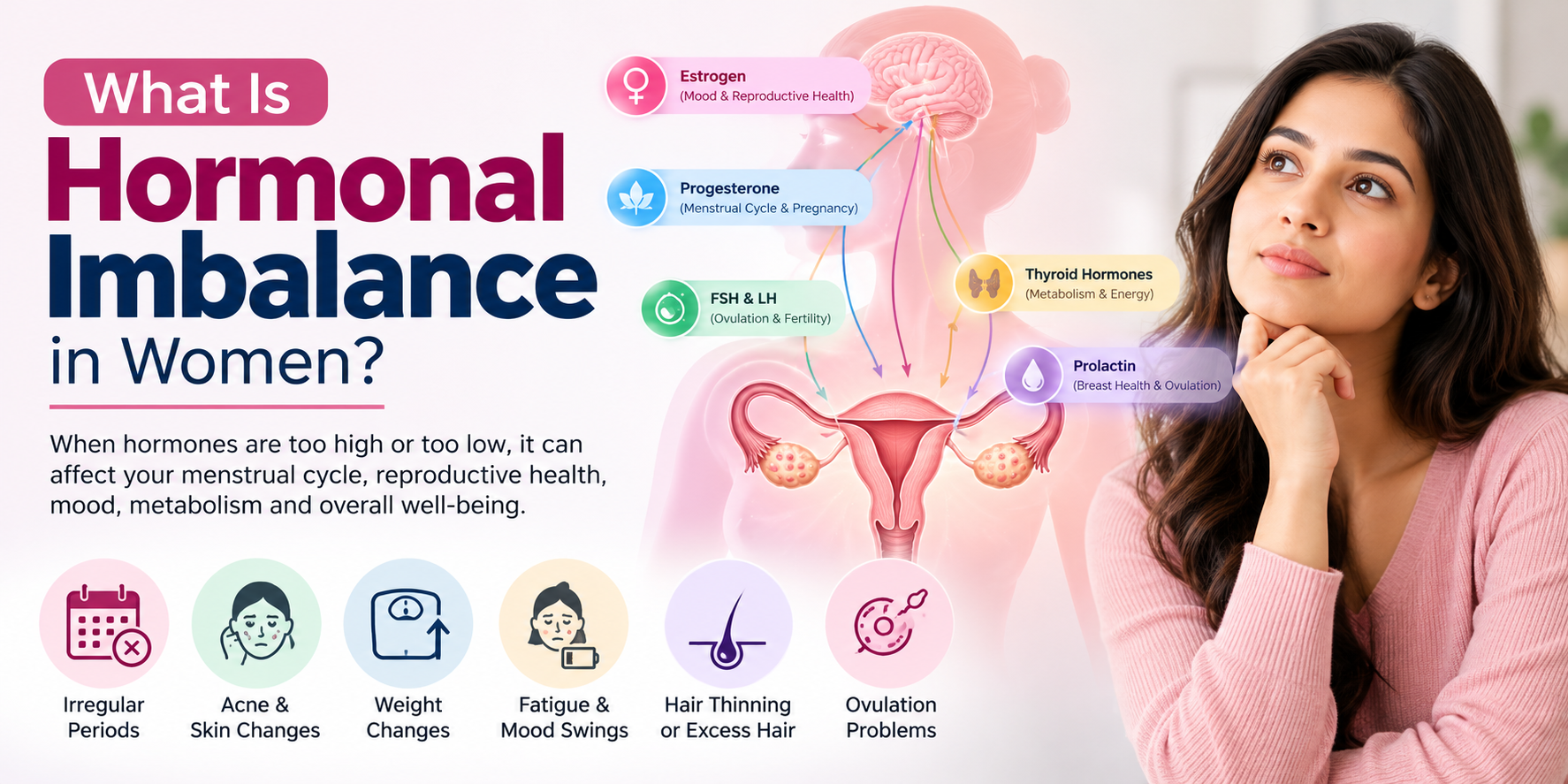
Hormonal imbalance occurs when the body produces too much or too little of a particular hormone. Hormones act as chemical messengers that regulate important functions, including ovulation, menstruation, metabolism, sleep and reproduction.
In women, reproductive hormones such as estrogen, progesterone, follicle-stimulating hormone (FSH) and luteinising hormone (LH) help regulate the menstrual cycle and ovulation. Thyroid hormones, insulin and prolactin can also influence reproductive health.
When these hormones are not functioning as expected, women may experience irregular menstrual cycles, changes in weight, acne, excessive hair growth, fatigue or difficulties with ovulation.
It is important to remember that these symptoms do not automatically mean you have a hormonal disorder. A medical evaluation is needed to identify the underlying cause.
Common Causes of Hormonal Imbalance in Women
Hormonal changes can occur for several reasons. Some are related to normal stages of life, while others may require medical treatment.
1. Polycystic Ovary Syndrome (PCOS)
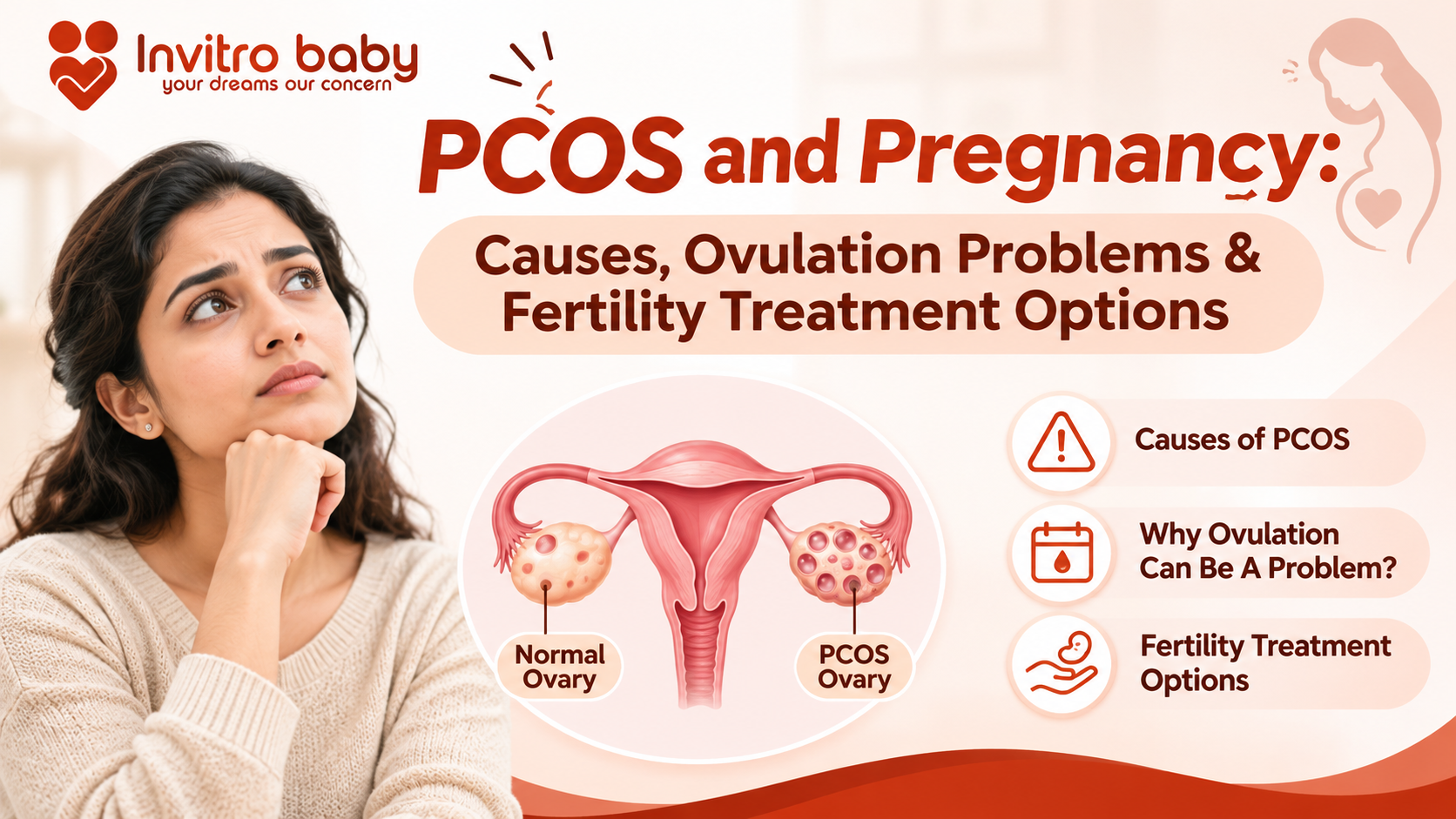
Polycystic ovary syndrome (PCOS) is an important hormonal and metabolic condition that can affect menstrual cycles and ovulation. Women with PCOS may have elevated androgen levels, irregular periods and insulin resistance.
Because ovulation may occur irregularly or not at all, PCOS can make conception more difficult for some women. However, many women with PCOS conceive naturally or with appropriate fertility treatment.
2. Thyroid Disorders
The thyroid gland produces hormones that help regulate metabolism and influence several body functions. Both an underactive thyroid (hypothyroidism) and an overactive thyroid (hyperthyroidism) may affect menstrual regularity and ovulation.
If you experience persistent fatigue, unexplained weight changes, irregular periods or difficulty conceiving, your doctor may recommend thyroid function testing based on your symptoms and medical history.
3. Elevated Prolactin Levels
Prolactin is a hormone associated with breast milk production. When prolactin levels are abnormally high outside pregnancy or breastfeeding, it can interfere with the hormones responsible for ovulation.
Possible symptoms include irregular or absent periods, unexpected milk-like nipple discharge and difficulty conceiving. The cause should be investigated before treatment is started.
4. Stress and Lifestyle Factors
Chronic stress, inadequate sleep, significant weight changes, excessive exercise and insufficient nutrition may affect the hormonal signals that regulate menstruation and ovulation.
Lifestyle factors do not explain every hormonal problem, but maintaining balanced routines can support overall reproductive health.
5. Age-Related Hormonal Changes
Hormone levels naturally change throughout life, including during puberty, pregnancy, perimenopause and menopause. As women approach menopause, changes in ovarian function can lead to irregular periods and other symptoms.
Age can also affect egg quantity and quality, which are separate but important factors in female fertility.
What Are the Common Symptoms of Hormonal Imbalance?
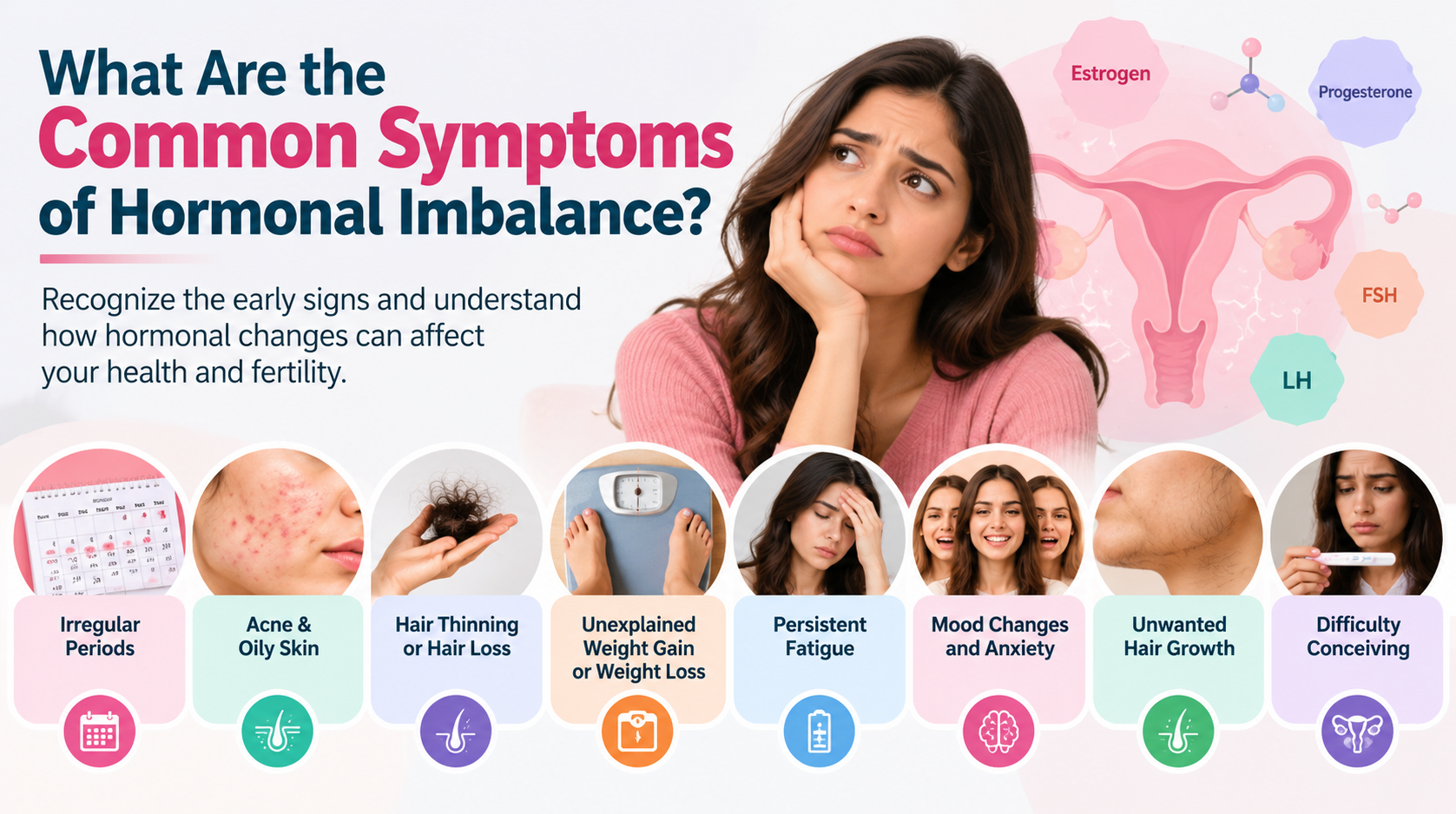
The symptoms of hormonal imbalance vary depending on the hormone involved and the underlying condition. Some women experience several symptoms, while others notice only changes in their menstrual cycle.
Common hormonal imbalance symptoms in women may include:
- Irregular periods or missed menstrual cycles
- Heavy or unusually light menstrual bleeding
- Acne or persistent oily skin
- Unwanted facial or body hair growth
- Hair thinning or hair loss
- Unexplained weight gain or weight loss
- Persistent fatigue or changes in energy levels
- Mood changes or sleep difficulties
- Reduced sexual desire
- Difficulty conceiving
When should you seek medical advice? Consult a healthcare professional if your periods become persistently irregular, you experience unusual bleeding, or you have symptoms alongside difficulty getting pregnant. Sudden severe pelvic pain or very heavy bleeding requires urgent medical assessment.
How Does Hormonal Imbalance Affect Fertility?
Hormones help coordinate the menstrual cycle and ovulation, which are essential for natural conception. A hormonal disorder may affect the release of an egg, the timing of ovulation or other aspects of reproductive health.
Here are some ways hormonal imbalance may affect fertility.
1. Irregular or Absent Ovulation
Ovulation is the release of a mature egg from an ovary. When ovulation is irregular or does not occur, the opportunity for fertilisation may be reduced.
Conditions such as PCOS, thyroid disorders and elevated prolactin levels can sometimes interfere with ovulation.
2. Changes in the Menstrual Cycle
Irregular periods may make it more difficult to predict the fertile window. They can also be a sign that ovulation is not occurring regularly.
Tracking your menstrual cycle may help you understand your pattern, but it cannot confirm the cause of irregular periods.
3. Effects on Reproductive Hormones
FSH and LH help regulate follicle development and ovulation, while estrogen and progesterone play important roles in the menstrual cycle and uterine lining.
When a hormonal disorder affects these processes, a fertility specialist may recommend further assessment and treatment according to the individual diagnosis.
4. Associated Reproductive Conditions
Hormonal imbalance may occur alongside conditions such as PCOS or thyroid disease. Other fertility factors, including endometriosis, blocked fallopian tubes, age-related changes and male-factor infertility, may also affect the chances of conception.
For this reason, fertility difficulties should not automatically be attributed to hormones alone.
How Is Hormonal Imbalance Diagnosed?
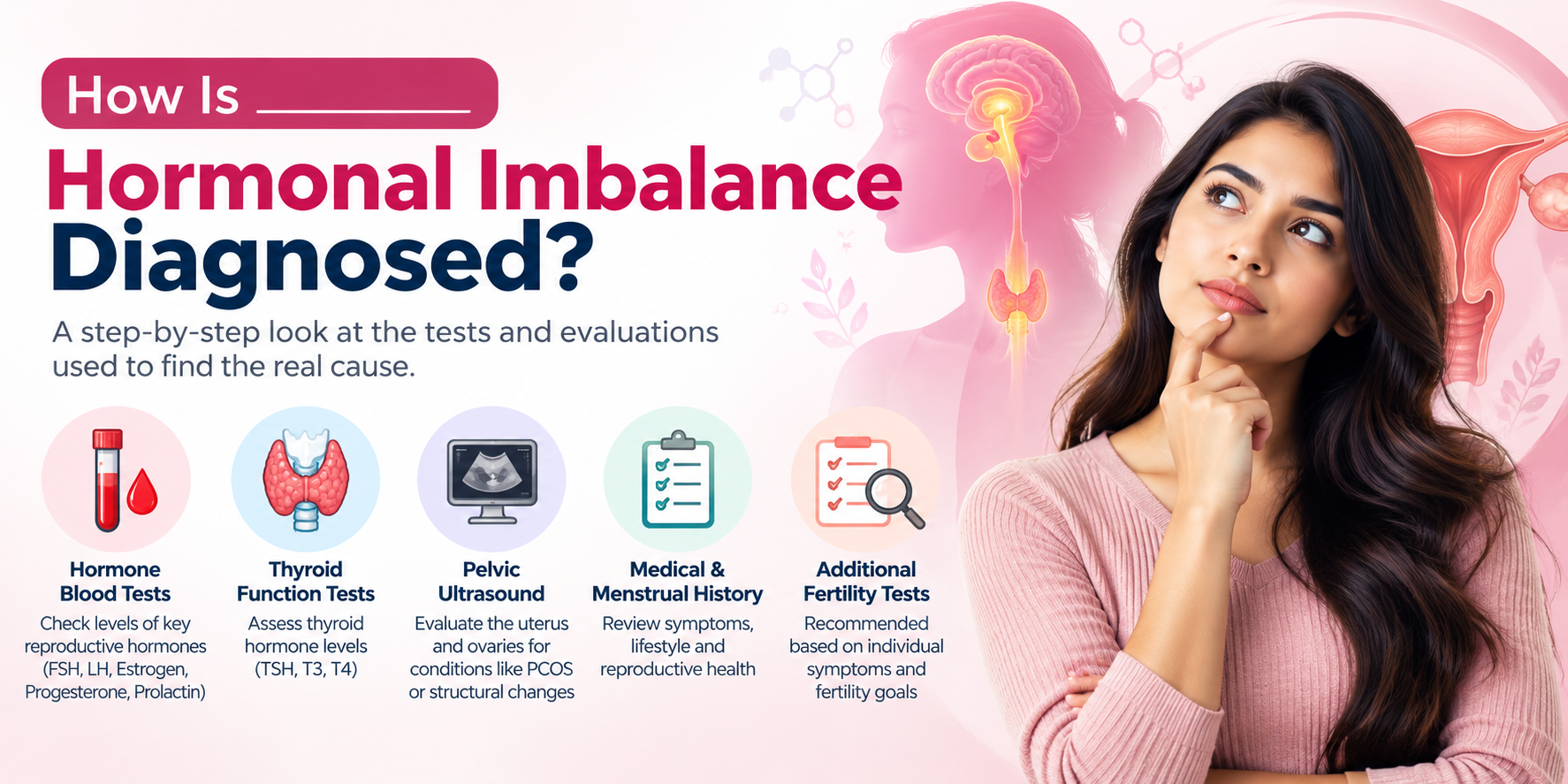
There is no single test that identifies every type of hormonal imbalance. Diagnosis usually begins with a review of symptoms, menstrual history, medical history and physical examination.
Depending on the clinical findings, your doctor may recommend:
- Hormone blood tests: To assess specific reproductive hormones when indicated.
- Thyroid function tests: To evaluate thyroid hormone levels and thyroid-stimulating hormone (TSH).
- Prolactin testing: When symptoms or medical history suggest elevated prolactin.
- Pelvic ultrasound: To assess the uterus and ovaries when clinically appropriate.
- Additional fertility investigations: Depending on menstrual patterns, age, duration of trying to conceive and other risk factors.
The timing of certain hormone tests can affect how the results are interpreted. Not every woman needs every test, and results should be assessed alongside symptoms and medical history.
Treatment Options for Hormonal Imbalance in Women
Hormonal imbalance treatment depends on its underlying cause, symptoms, general health and pregnancy plans. There is no single medicine or treatment that is suitable for every woman.
1. Treatment for Thyroid Disorders
If a thyroid disorder is affecting menstrual health or fertility, appropriate medication and monitoring may help manage the condition. Treatment is tailored to whether the thyroid is underactive or overactive.
2. PCOS Management
PCOS treatment may involve lifestyle support and medication to address specific symptoms or metabolic concerns. For women trying to conceive, a clinician may recommend ovulation-induction treatment when appropriate.
3. Treatment for Elevated Prolactin
When prolactin levels are persistently elevated, the doctor investigates the cause before deciding on treatment. Depending on the diagnosis, medication or other specialist care may be required.
4. Lifestyle and Nutritional Support
Healthy habits can support general health and may help manage certain hormone-related conditions. Helpful measures can include:
- Eating a balanced diet with adequate protein, fibre and essential nutrients
- Engaging in regular, appropriate physical activity
- Maintaining a healthy and sustainable weight
- Getting sufficient, consistent sleep
- Managing stress through practical relaxation techniques
- Avoiding smoking and discussing alcohol use with your healthcare professional
Lifestyle changes are supportive measures, not a guaranteed cure for hormonal disorders or infertility. Avoid starting hormone medicines or fertility supplements without medical advice.
Can You Get Pregnant with Hormonal Imbalance?
Yes, pregnancy may still be possible for many women with hormonal imbalance. The chances depend on the specific condition, whether ovulation occurs, age, ovarian function and other fertility factors.
Some women conceive naturally, while others may benefit from treatment to address the underlying hormonal problem or support ovulation.
If pregnancy does not occur, a fertility specialist may discuss appropriate options based on the findings. Depending on the individual situation, these may include ovulation-induction medication, intrauterine insemination (IUI) or in vitro fertilisation (IVF).
IVF is not necessary for every woman with hormonal imbalance. A thorough evaluation helps determine whether fertility treatment is needed and which option may be suitable.
Women with persistently irregular or absent periods should consider seeking medical advice early rather than waiting for a prolonged period of unsuccessful attempts to conceive.
When Should You Consult a Fertility Specialist?
Consider arranging a medical consultation if you experience:
- Persistent irregular or absent periods
- Symptoms suggesting a thyroid disorder or PCOS
- Repeated difficulty identifying ovulation
- Difficulty conceiving despite regular attempts
- A known reproductive or hormonal condition
- Concerns about fertility due to age or previous medical history
For women trying to conceive, a fertility evaluation is generally recommended after 12 months of regular unprotected intercourse if under 35, or after six months if aged 35 or older. Women over 40 or those with irregular periods or known fertility concerns may benefit from earlier assessment.
Both partners may need evaluation because fertility challenges can involve female factors, male factors or a combination of both.
Frequently Asked Questions (FAQs)
1. What are the first signs of hormonal imbalance in women?
Possible signs include irregular periods, acne, changes in hair growth, unexplained weight changes and fatigue. These symptoms can have several causes, so medical evaluation may be needed to determine whether a hormonal disorder is present.
2. Can hormonal imbalance cause infertility?
Some hormonal disorders can interfere with ovulation and make conception more difficult. However, hormonal imbalance does not automatically mean infertility. The effect depends on the underlying condition and other reproductive factors.
3. Can hormonal imbalance be treated naturally?
Healthy eating, regular physical activity, adequate sleep and stress management may support overall health. However, these measures cannot replace medical treatment for conditions such as thyroid disease or clinically significant hormonal disorders.
4. Which tests are used to check hormonal imbalance?
Depending on symptoms, testing may include thyroid function, prolactin and selected reproductive hormone tests. A pelvic ultrasound or other fertility investigations may also be recommended. The appropriate tests vary from person to person.
5. Does PCOS always cause infertility?
No. PCOS can interfere with regular ovulation, but many women with PCOS conceive naturally or with treatment. The right approach depends on individual symptoms, health and pregnancy goals.
6. Should I consult a doctor if my periods are irregular?
Yes, particularly if irregular periods persist, periods stop unexpectedly, you experience unusual bleeding or you are trying to conceive. A doctor can assess possible causes and recommend appropriate next steps.
Take the Next Step Towards Better Reproductive Health
Understanding hormonal imbalance is an important step towards managing menstrual health and making informed decisions about fertility. Early assessment can help identify treatable conditions, clarify your options and guide you towards appropriate care.
At Invitro Baby Fertility Centre, women can seek professional guidance regarding fertility concerns, reproductive health and potential treatment pathways. If you have concerns about irregular periods, PCOS, thyroid-related fertility issues or difficulty conceiving, consider discussing your symptoms and medical history with a qualified fertility specialist.
Book a consultation to discuss your fertility concerns and understand which evaluation or treatment options may be appropriate for you.
Medical disclaimer: This article is intended for general educational purposes and does not replace individual medical advice, diagnosis or treatment. Consult a qualified healthcare professional for recommendations based on your personal health needs.