Understanding Egg Quality, Female Fertility and Available Treatment Options
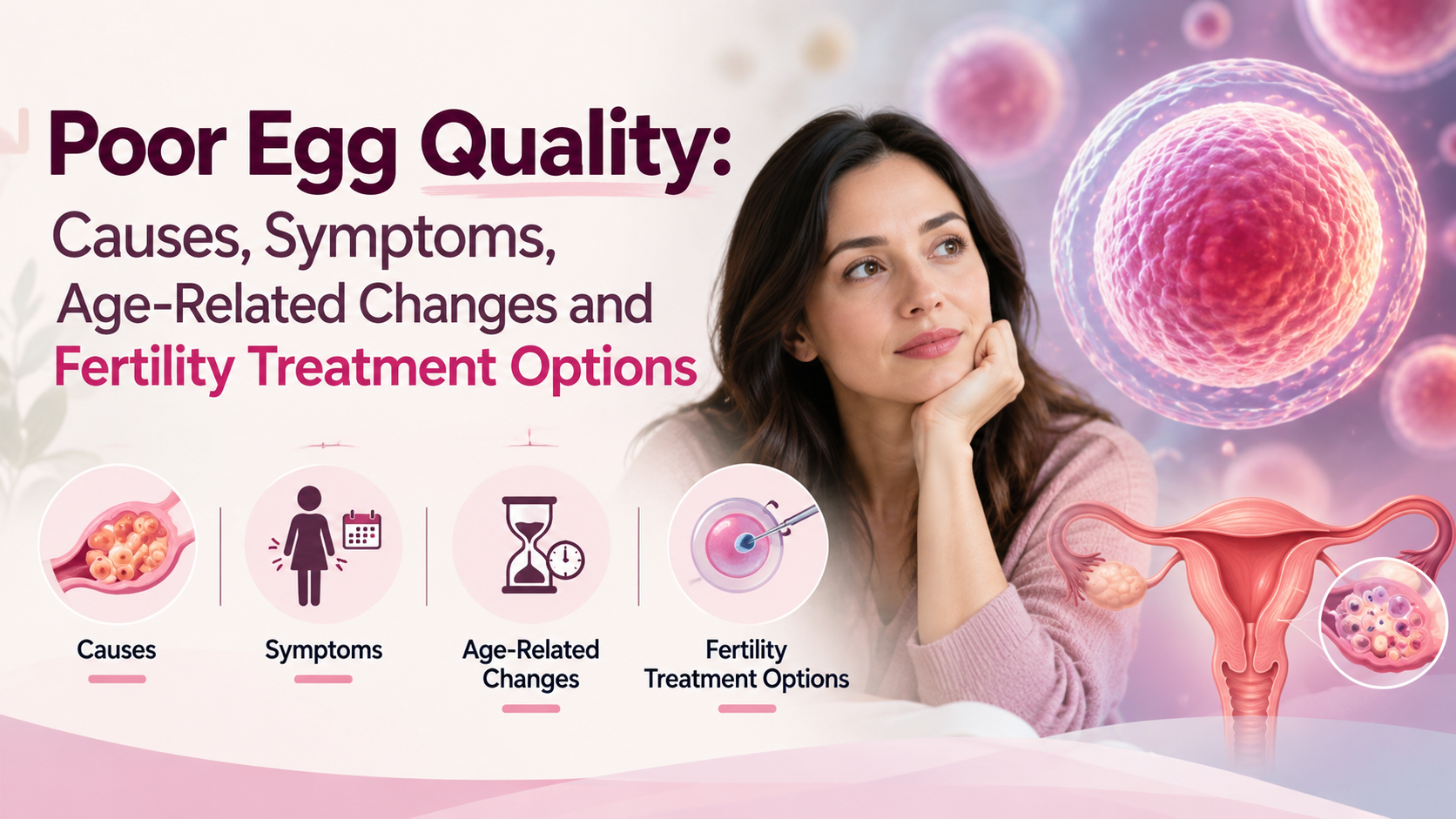
Egg quality is an important factor in female fertility and can influence fertilisation, embryo development and the chances of a successful pregnancy. For couples planning to conceive, concerns about poor egg quality can raise several questions: What causes it? Can it be identified through symptoms? Does age affect egg quality? And what fertility treatments may help?
The good news is that a fertility assessment can help identify relevant factors and guide an appropriate treatment plan. Although egg quality cannot always be improved, understanding the underlying cause can help individuals make informed decisions about their reproductive health.
In this article, we explore the causes of poor egg quality, its relationship with age, available diagnostic tests and fertility treatment options, including IVF.
What Is Egg Quality?
Egg quality, also known as oocyte quality, refers to the biological health and developmental potential of an egg. A healthy egg must undergo several complex processes to mature, fertilise successfully and support the development of an embryo.
Egg quality is influenced significantly by age because the likelihood of chromosomal abnormalities in eggs increases as women grow older. These abnormalities may affect fertilisation, embryo development and the chances of maintaining a pregnancy.
It is important to understand that egg quality and ovarian reserve are not the same thing.
- Egg quality: Relates to an egg’s potential to fertilise and support normal embryo development.
- Ovarian reserve: Refers primarily to the remaining supply of eggs in the ovaries.
- Egg quantity: Refers to the number of eggs available or potentially recruitable during a fertility treatment cycle.
A woman may have a reasonable ovarian reserve but still experience age-related changes in egg quality. Similarly, a lower ovarian reserve does not automatically mean that pregnancy is impossible.
What Causes Poor Egg Quality?
Poor egg quality can be associated with several biological and lifestyle-related factors. Identifying the factors relevant to an individual requires a medical assessment.
1. Increasing Age
Age is one of the most important factors affecting egg quality. Women are born with a finite supply of eggs, and both the number and developmental potential of the remaining eggs decline over time.
Age-related changes become more significant during the mid-to-late 30s, although the rate of decline varies between individuals. Older eggs are more likely to have chromosomal abnormalities, which can reduce the chances of a successful pregnancy and increase the risk of miscarriage.
2. Diminished Ovarian Reserve
Diminished ovarian reserve means that the remaining egg supply is lower than expected or has declined. It may be associated with age, previous ovarian surgery, certain medical treatments or other individual factors.
A lower ovarian reserve can affect how the ovaries respond to fertility medications and how many eggs may be collected during IVF. However, ovarian reserve tests cannot directly measure the quality of an individual egg.
3. Smoking and Lifestyle Factors
Lifestyle factors may influence reproductive health. Smoking is associated with reduced fertility, while excessive alcohol consumption and significant weight-related concerns may also affect reproductive outcomes.
Maintaining a balanced diet, engaging in regular physical activity, avoiding tobacco and seeking guidance about alcohol use can support general health while planning pregnancy. These measures should not be presented as a guaranteed way to reverse age-related egg-quality changes.
4. Certain Medical Conditions
Some reproductive or medical conditions may affect ovarian function and fertility. These include endometriosis, certain genetic conditions, premature ovarian insufficiency and medical treatments that can damage ovarian tissue, such as some chemotherapy or radiation treatments.
The effect varies depending on the condition, its severity, the individual’s age and their medical history.
5. Genetic and Biological Factors
Egg development involves complex cellular processes, including the accurate distribution of chromosomes. Changes in these processes can affect an egg’s ability to support normal embryo development.
Not every case of poor egg quality has an identifiable cause. A fertility specialist can help assess the available evidence and explain which factors may be relevant to a particular patient.
What Are the Symptoms of Poor Egg Quality?
One of the most important things to know is that poor egg quality usually does not cause specific or noticeable symptoms. A woman may have regular menstrual cycles and no obvious symptoms while still experiencing difficulties conceiving.
However, certain fertility-related findings may indicate that further assessment is appropriate.
Signs That May Lead to a Fertility Evaluation
- Difficulty conceiving despite regular, unprotected intercourse.
- Repeated pregnancy loss.
- A previous IVF cycle with a lower-than-expected number of mature eggs or concerns about embryo development.
- Irregular or absent menstrual periods, which may indicate an ovulation or hormonal issue.
- A history of ovarian surgery, endometriosis or treatments that may affect ovarian function.
These findings do not independently confirm poor egg quality. For example, irregular periods may be related to ovulation problems rather than egg quality, while difficulties with fertilisation can also involve sperm-related factors.
A comprehensive fertility assessment can help distinguish between these possibilities.
How Does Age Affect Egg Quality?
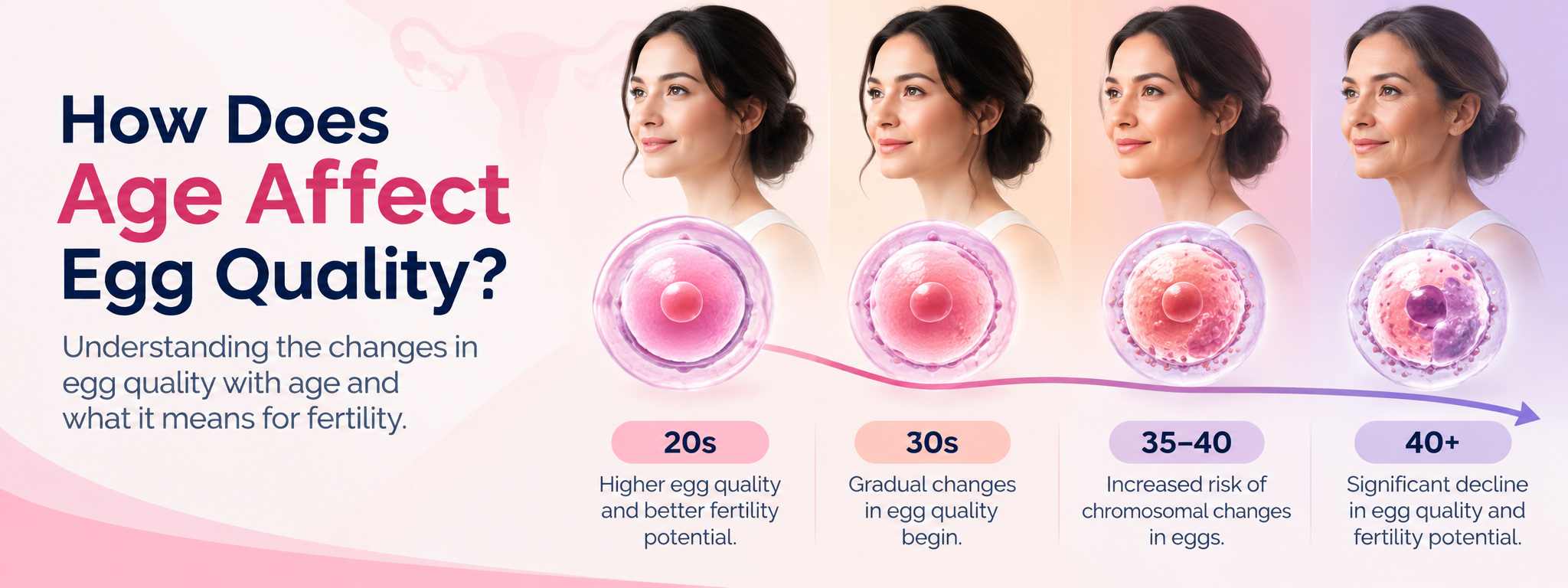
Age-related fertility changes are a natural part of reproductive ageing. Both the number of remaining eggs and their developmental potential decline over time, with the decline in fertility becoming more pronounced for many women during their mid-to-late 30s.
Egg Quality in Your 20s
The reproductive years in the 20s are generally associated with higher fertility potential. However, age alone cannot guarantee healthy eggs or a successful pregnancy.
Egg Quality Between 30 and 35
Fertility may begin to decline gradually during the early 30s. Individual circumstances, reproductive history and medical conditions can influence the timing and extent of this decline.
Egg Quality After 35
The decline in fertility generally becomes more noticeable during the mid-to-late 30s. Egg-related chromosomal abnormalities become more common, and the risk of miscarriage increases with age.
Women who have been trying to conceive for six months without success after age 35 are generally advised to seek a fertility evaluation rather than delaying further.
Egg Quality After 40
After age 40, the chances of natural conception are generally lower, and the risk of miscarriage is higher. A timely fertility assessment can help clarify available options and the likely benefits and limitations of treatment.
These age ranges are general guidance, not a prediction of an individual’s fertility. Outcomes vary from person to person.
How Is Poor Egg Quality Diagnosed?
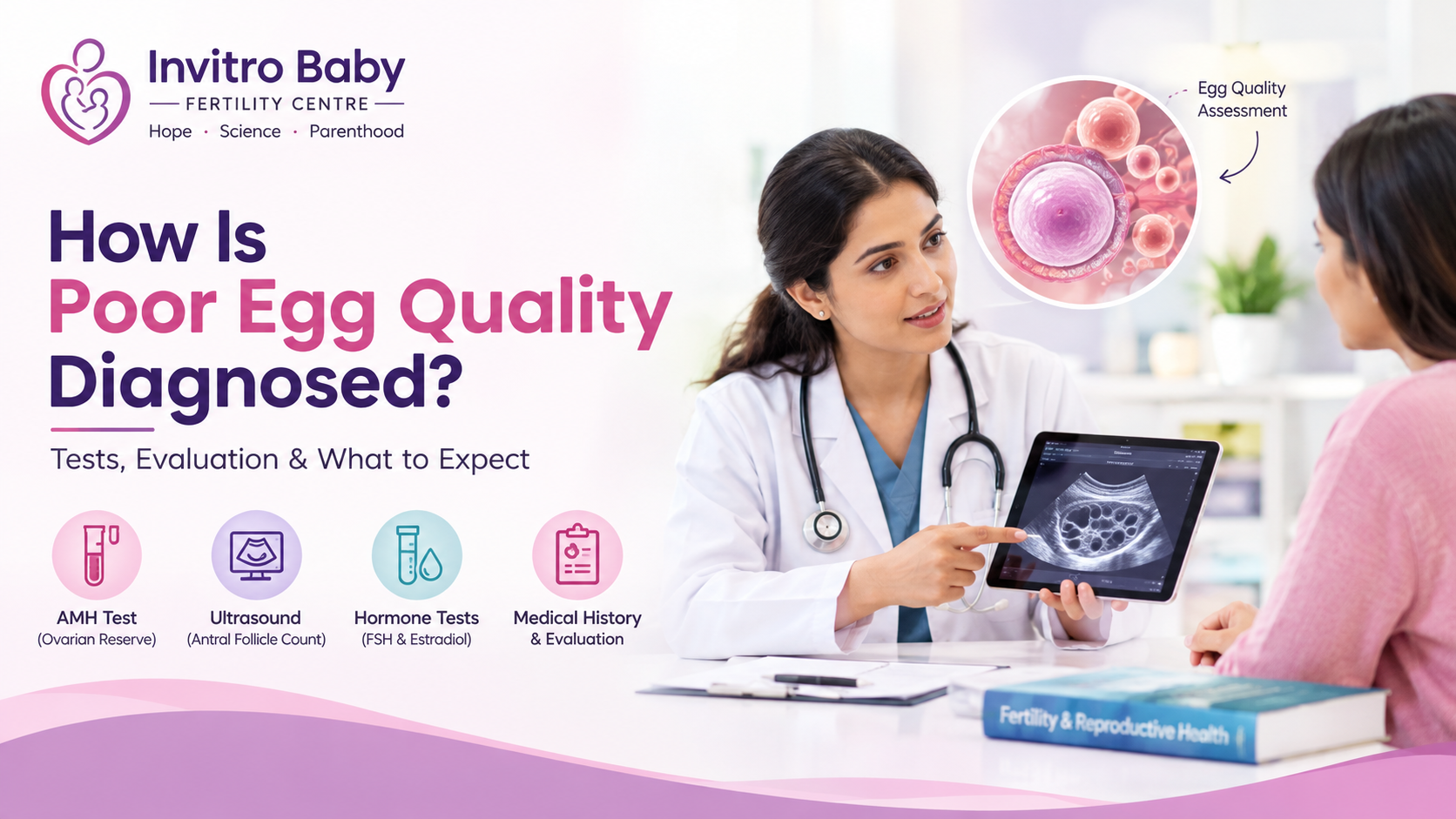
There is no single routine blood test that directly measures the quality of every egg. Fertility specialists use a combination of medical history, age, ovarian reserve assessment and other investigations to understand an individual’s reproductive potential.
1. AMH Test
The Anti-Müllerian Hormone (AMH) test measures a hormone associated with the small follicles in the ovaries. It can help estimate ovarian reserve and predict the likely response to ovarian stimulation during IVF.
Important: AMH does not directly measure egg quality and cannot independently predict whether someone will conceive naturally.
2. Antral Follicle Count (AFC)
Antral follicle count is performed using a transvaginal ultrasound to assess the number of small follicles visible in the ovaries.
It helps clinicians estimate ovarian reserve and plan fertility treatment. It does not directly determine whether the eggs within those follicles are chromosomally normal.
3. FSH and Estradiol Tests
Follicle-stimulating hormone (FSH) and estradiol blood tests may be used, often early in the menstrual cycle, as part of an ovarian reserve assessment.
These results must be interpreted alongside other findings because hormone levels can vary and are not definitive measures of egg quality.
4. Fertility and Medical History
A specialist may review menstrual patterns, previous pregnancies, miscarriages, ovarian surgery, endometriosis, medical treatments and previous fertility treatment outcomes.
Depending on the circumstances, additional investigations may be recommended to assess ovulation, the uterus, fallopian tubes or sperm health.
5. Assessment During IVF
During IVF, specialists can assess egg maturity, fertilisation and subsequent embryo development. These observations provide useful information about a treatment cycle, but they do not provide a perfect measure of future egg quality or guarantee a pregnancy outcome.
Can Egg Quality Be Improved Naturally?
Many people search online for ways to improve egg quality naturally. Although a healthy lifestyle supports general reproductive health, there is currently no proven lifestyle intervention that reliably reverses age-related egg-quality changes.
The following measures may still be beneficial when planning pregnancy:
Follow a Balanced Diet
Include a variety of vegetables, fruits, whole grains, legumes, nuts, protein sources and healthy fats. A balanced diet supports overall health and helps meet nutritional requirements before pregnancy.
Maintain a Healthy Weight
Both very low and high body weight may be associated with fertility difficulties in some individuals. A sustainable approach to nutrition and physical activity is preferable to restrictive diets or rapid weight-loss programmes.
Avoid Smoking
Smoking is associated with adverse reproductive outcomes. Avoiding tobacco and discussing exposure to second-hand smoke with a healthcare professional may be beneficial.
Prioritise Sleep and Physical Activity
Regular physical activity and adequate sleep can support general well-being. However, neither should be considered a guaranteed method for increasing egg quality.
Discuss Supplements With a Fertility Specialist
Folic acid is recommended for people planning pregnancy to help reduce the risk of neural tube defects. It should not be confused with a treatment that improves egg quality.
Other supplements, including CoQ10 and antioxidant products, are sometimes promoted for fertility. Evidence that these products improve live-birth rates or reverse age-related egg-quality changes remains limited or uncertain. Discuss their benefits, risks and suitability with a qualified clinician before taking them.
Be cautious of products promising to restore egg quality, reverse ovarian ageing or guarantee pregnancy. No supplement or diet can guarantee these outcomes.
What Are the Fertility Treatment Options for Poor Egg Quality?
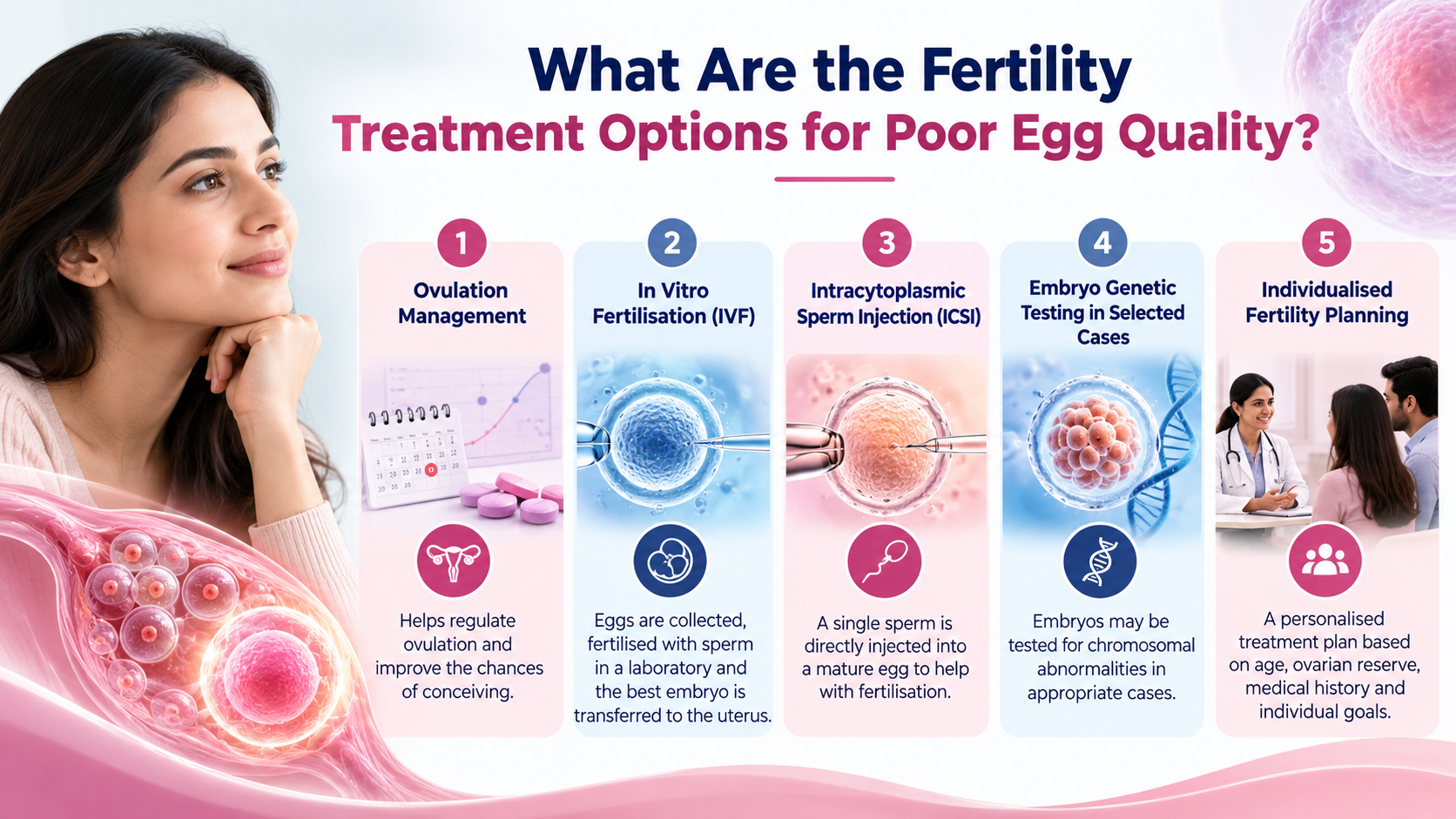
Treatment depends on age, ovarian reserve, reproductive history, the cause of infertility, sperm health and the results of previous treatment. There is no single treatment suitable for everyone.
1. Ovulation Management
If difficulty conceiving is related to irregular ovulation, a clinician may recommend treatment to support or regulate ovulation. This approach addresses ovulation problems; it does not necessarily correct poor egg quality.
2. In Vitro Fertilisation (IVF)
IVF is a fertility treatment in which eggs are collected from the ovaries and fertilised with sperm in a laboratory. The resulting embryos are monitored, and a suitable embryo may be transferred to the uterus.
For individuals with concerns about egg quality, IVF may help clinicians assess egg maturity, fertilisation and embryo development. However, IVF cannot guarantee that an egg will fertilise normally or develop into a healthy embryo.
3. Intracytoplasmic Sperm Injection (ICSI)
ICSI involves injecting a single sperm directly into a mature egg. It may be recommended for certain sperm-related fertility problems or specific fertilisation concerns.
ICSI can help address some fertilisation difficulties, but it does not repair an egg’s chromosomal abnormalities or guarantee embryo development.
4. Embryo Genetic Testing in Selected Cases
Preimplantation genetic testing for aneuploidy (PGT-A) examines embryos for chromosome-number abnormalities. It may be considered in selected situations after counselling about its potential benefits, limitations, costs and risks.
PGT-A does not improve egg quality or make an abnormal egg normal. It is also not appropriate or beneficial for every IVF patient, and its use does not guarantee a live birth.
5. Individualised Fertility Planning
A fertility specialist may recommend an individualised approach based on the expected ovarian response, previous IVF results and the patient’s priorities. This may involve reviewing stimulation protocols, the timing of treatment or alternative reproductive options.
For some patients, donor eggs may be discussed if treatment with their own eggs has a low likelihood of success. This is a personal decision that requires careful medical counselling and consideration of applicable laws and regulations.
Does Poor Egg Quality Mean You Cannot Get Pregnant?
No. A concern about egg quality does not automatically mean that pregnancy is impossible.
The likelihood of conception depends on several factors, including age, ovarian reserve, ovulation, sperm health, the uterus, the fallopian tubes and the specific cause of fertility difficulties.
Some individuals with reduced ovarian reserve or concerns about egg quality may conceive, while others may benefit from fertility treatment. An individual assessment is more useful than relying on a single test result or online symptom checklist.
When Should You Consult a Fertility Specialist?
Consider seeking a fertility evaluation if:
- You are younger than 35 and have been trying to conceive for 12 months without success.
- You are aged 35 or older and have been trying for six months without success.
- You are over 40 and planning pregnancy, in which case an earlier assessment is generally advisable.
- You have irregular or absent periods, known endometriosis, a history of ovarian surgery or another condition that may affect fertility.
- You have experienced repeated pregnancy loss or previous IVF cycles with concerns about egg maturity, fertilisation or embryo development.
Earlier evaluation may be appropriate when there is a known medical concern. Fertility assessment should consider both partners when relevant, including sperm health.
Frequently Asked Questions About Poor Egg Quality
1. What are the most common causes of poor egg quality?
Age-related changes are a major factor. Other relevant factors may include certain medical conditions, genetic factors, ovarian surgery and treatments that affect ovarian function. In some cases, the precise cause is not identified.
2. Can poor egg quality be detected through symptoms?
No specific symptoms reliably diagnose poor egg quality. Difficulty conceiving or certain IVF findings may prompt further investigation, but a medical evaluation is necessary to understand the possible causes.
3. Does low AMH mean poor egg quality?
No. AMH primarily helps estimate ovarian reserve and predict the likely response to ovarian stimulation. It does not directly measure egg quality or independently determine the chance of natural conception.
4. Can IVF help with poor egg quality?
IVF may be considered depending on the individual’s age, fertility assessment and medical history. It allows clinicians to monitor egg maturity, fertilisation and embryo development, but it cannot guarantee a successful pregnancy or overcome every egg-related problem.
5. Can diet improve egg quality?
A balanced diet can support general health and pregnancy preparation. However, there is insufficient evidence that a specific food, diet or supplement reliably reverses age-related egg-quality changes.
6. Does poor egg quality increase miscarriage risk?
Age-related changes in egg chromosomes are associated with an increased risk of miscarriage. However, miscarriage can have many causes, and an individual outcome cannot be predicted from age or an ovarian reserve test alone.
7. When should I get an egg quality test?
There is no single routine test that directly measures overall egg quality. A fertility specialist may recommend AMH, antral follicle count, hormone tests and other investigations based on age, medical history and pregnancy plans.
Take the Next Step Towards Understanding Your Fertility
Understanding egg quality can help you make informed decisions about pregnancy planning and fertility treatment. The most appropriate next step depends on your age, reproductive history, medical findings and personal goals.
At Invitro Baby Fertility Centre, individuals and couples can discuss their fertility concerns with a qualified fertility specialist and explore appropriate evaluation and treatment options, including IVF where indicated.
Seeking timely, evidence-based medical advice can help you understand your options without relying on unproven treatments or unrealistic promises.
Book a fertility consultation to discuss your reproductive health and personalised treatment options.
Medical disclaimer: This article is for educational purposes only and does not replace personalised medical advice, diagnosis or treatment. Fertility investigations and treatment recommendations should be made by a qualified healthcare professional.