Trying to conceive can be an emotional journey, especially when pregnancy does not happen as expected. For many individuals and couples, IVF treatment (In Vitro Fertilisation) may offer another option to explore parenthood. However, before starting treatment, it is important to understand how IVF works, which factors may influence its outcome and what to consider if an IVF cycle is unsuccessful.
Whether you are researching your first IVF cycle or looking for guidance after an unsuccessful attempt, having accurate information can help you make informed decisions with your fertility specialist.
In this guide, we explain four important things to know before starting IVF treatment, when IVF may be considered and the possible next steps after IVF failure.
What Is IVF Treatment?
In Vitro Fertilisation (IVF) is an assisted reproductive technology in which eggs are collected from the ovaries and fertilised with sperm in a laboratory. If fertilisation and embryo development progress appropriately, an embryo may be transferred into the uterus.
IVF may be recommended for different fertility-related reasons, including blocked fallopian tubes, certain ovulation disorders, male-factor infertility, endometriosis or unexplained infertility. It may also be considered when other fertility treatments have not been successful.
The most appropriate treatment depends on the individual’s or couple’s medical history, fertility assessment, age and reproductive goals.
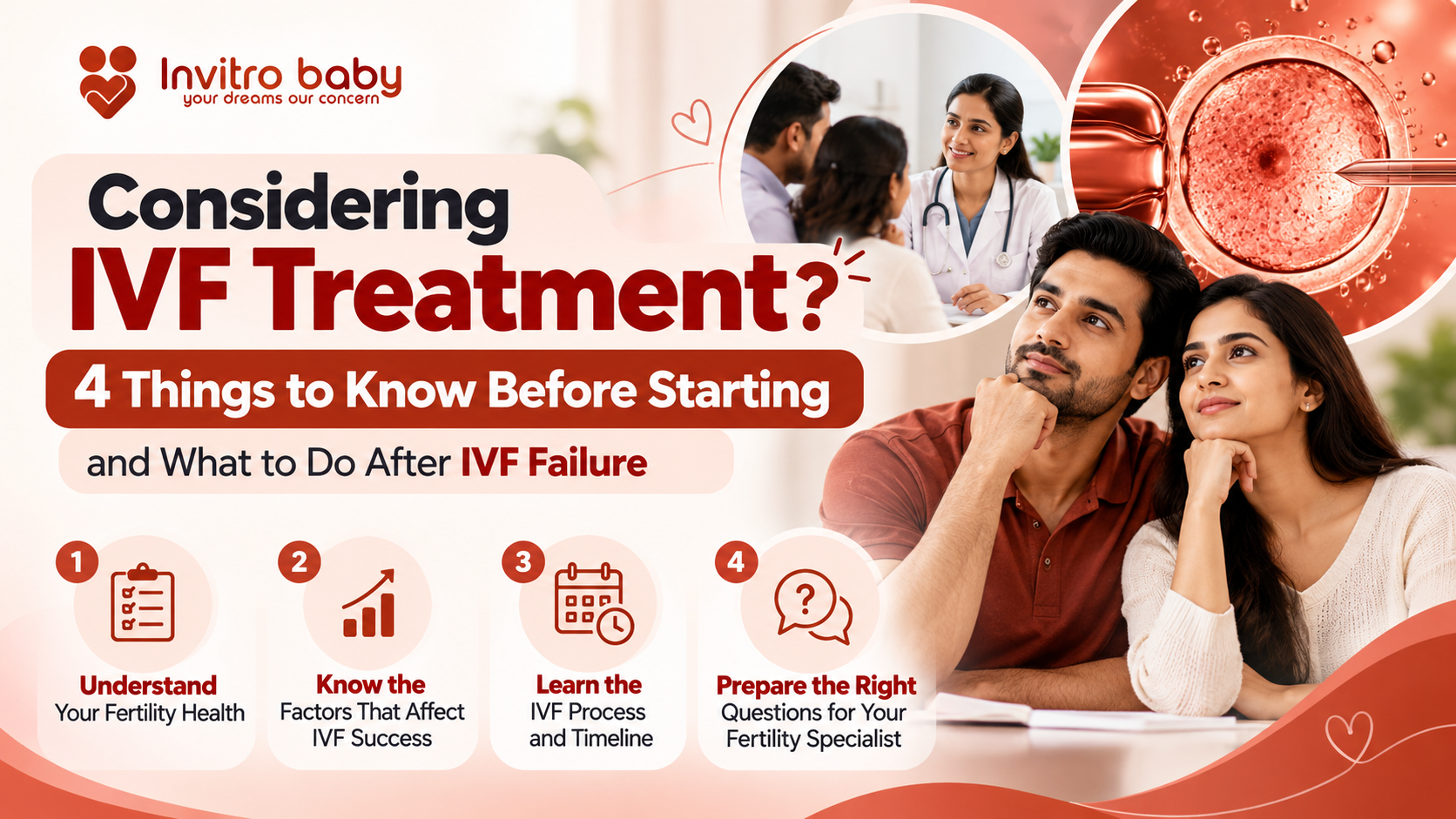
4 Things to Know Before Starting IVF Treatment
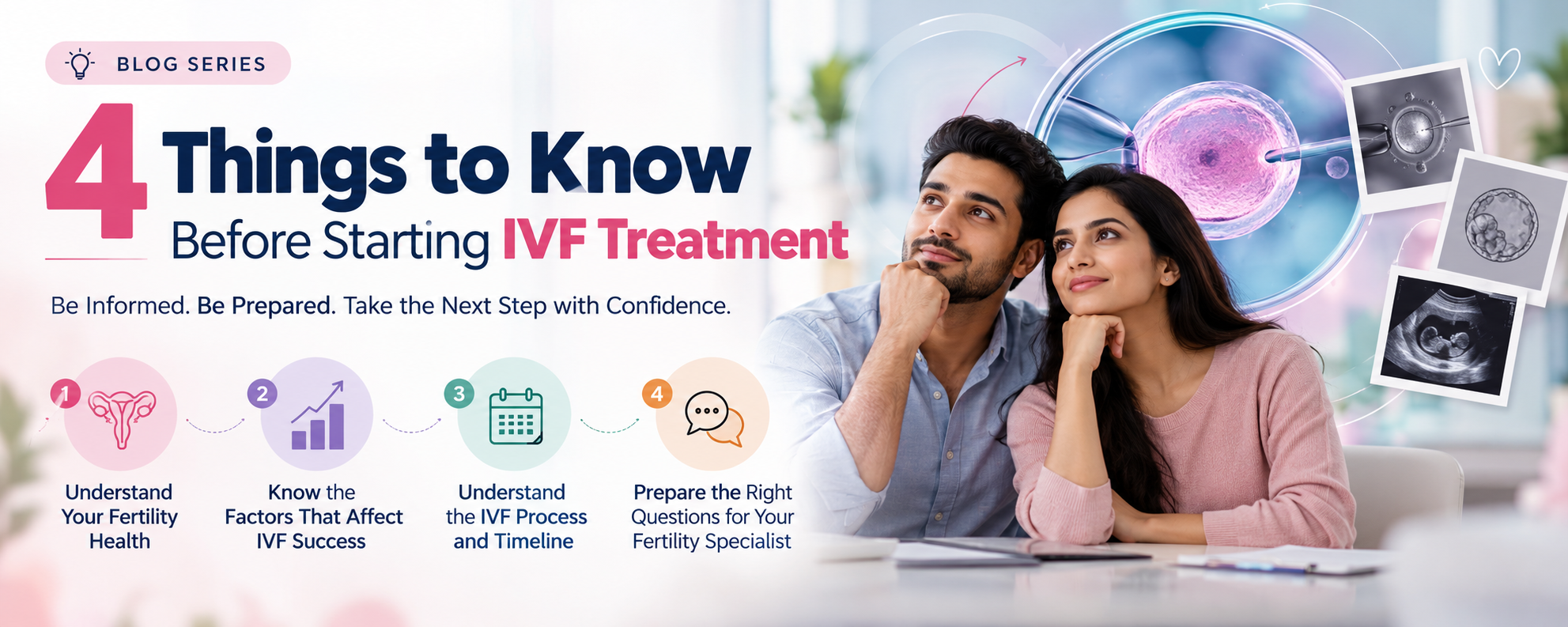
1. Understand Your Fertility Health Before Beginning IVF
Before starting IVF treatment, a fertility specialist usually reviews your medical and reproductive history and recommends appropriate investigations.
Depending on your circumstances, the evaluation may include:
- Ovarian reserve assessment: Tests such as Anti-Müllerian Hormone (AMH), along with antral follicle count on ultrasound, may help estimate how the ovaries are likely to respond to stimulation.
- Ovulation and menstrual history: Understanding menstrual cycles and ovulation can help identify potential concerns.
- Uterine and fallopian tube assessment: Ultrasound and other investigations may be recommended when clinically indicated.
- Semen analysis: Evaluates important sperm parameters and helps identify possible male-factor infertility.
- Medical history and previous treatments: Previous pregnancies, fertility treatments, medications and relevant health conditions may influence the treatment plan.
Not everyone requires every available test. Your specialist should recommend investigations according to your clinical needs rather than a standard list of tests for every patient.
Why is this important?
A proper fertility assessment can help identify potential barriers to conception, guide treatment selection and avoid unnecessary investigations.
2. Know Which Factors May Influence IVF Outcomes
One of the most common questions people ask is, “What are my chances of success with IVF?”
There is no single success rate that applies to everyone. The likelihood of a successful outcome depends on several clinical factors, including:
Age: Age, particularly the age of the person providing the eggs, is an important factor because egg quantity and chromosomal quality generally change over time.
Ovarian reserve and response: AMH and antral follicle count can help estimate ovarian response to fertility medication. They do not independently determine whether pregnancy will occur.
Sperm health: Sperm concentration, movement and morphology may affect treatment planning. Additional assessment may be appropriate in selected cases.
Embryo development: Fertilisation and embryo development provide important information during an IVF cycle. Embryo appearance can help with selection, but it cannot guarantee implantation or a live birth.
Uterine health and medical conditions: Certain uterine abnormalities or health conditions may require evaluation or treatment when clinically indicated.
Lifestyle and general health: Smoking, alcohol use, some medications and other health factors may be relevant to preconception care. Ask your clinician which changes would be beneficial in your situation.
Before treatment, discuss the outcome measures being quoted by your clinic, such as pregnancy per embryo transfer, clinical pregnancy rate or live birth rate. These are different measures and should not be used interchangeably.
3. Understand the IVF Treatment Process and Timeline
Knowing the main stages of IVF can help you prepare for appointments, medication and follow-up.
Step 1: Initial consultation and assessment
Your fertility specialist reviews your medical history, previous investigations and treatment options.
Step 2: Ovarian stimulation
Fertility medications are prescribed to stimulate the development of multiple follicles. The response is monitored using ultrasound and, when appropriate, blood tests.
Step 3: Egg retrieval
When the follicles are considered ready, eggs are collected through a medical procedure performed under appropriate clinical supervision.
Step 4: Fertilisation in the laboratory
The collected eggs are fertilised with sperm using conventional IVF or Intracytoplasmic Sperm Injection (ICSI), when indicated.
Step 5: Embryo development
Embryos are monitored in the laboratory as they develop. Not every fertilised egg will develop into an embryo suitable for transfer.
Step 6: Embryo transfer
An appropriate embryo may be transferred into the uterus, either during the same treatment cycle or in a later frozen embryo transfer cycle, depending on the clinical plan.
Step 7: Pregnancy testing and follow-up
Your clinic will advise you when to take the pregnancy test and how to proceed based on the result.
The timeline varies according to the stimulation protocol, ovarian response, embryo development, whether embryos are frozen and individual medical circumstances.
IVF also has potential risks, including ovarian hyperstimulation syndrome, multiple pregnancy and ectopic pregnancy. Your specialist should explain relevant risks and how they can be reduced.
4. Prepare Questions for Your Fertility Specialist
Before beginning an IVF cycle, ask questions that help you understand the proposed treatment and its alternatives.
Consider discussing:
- What may be contributing to our difficulty conceiving?
- Why is IVF being recommended in our case?
- Are there other reasonable treatment options?
- What are the expected benefits, limitations, risks and costs?
- What outcome measure is being used to estimate IVF success?
- Which medications, monitoring visits and procedures will be required?
- What happens if the cycle does not result in pregnancy?
- Are any additional tests or treatments genuinely indicated in our circumstances?
Understanding the answers can help you participate in treatment decisions and set realistic expectations.
When Should You Consider IVF Treatment?
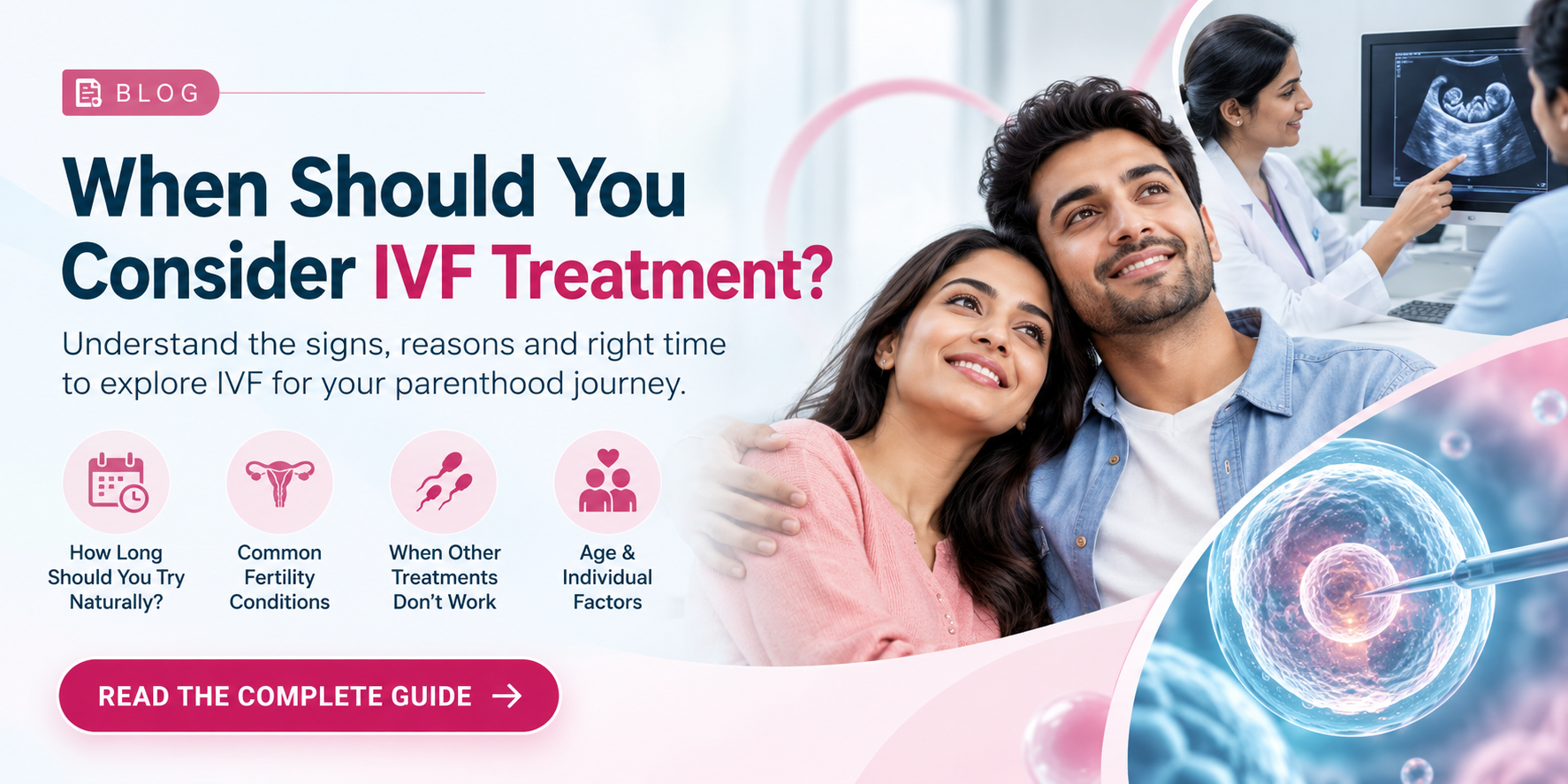
IVF is not necessarily the first treatment for every fertility concern. The appropriate approach depends on the cause of infertility, age, duration of trying to conceive and previous treatment history.
A fertility evaluation is generally recommended after 12 months of trying to conceive for individuals under 35, after 6 months for those aged 35 or older, and sooner when the person is over 40 or has known fertility concerns or risk factors.
IVF may be considered in circumstances such as:
- Blocked or severely damaged fallopian tubes.
- Certain cases of male-factor infertility.
- Some forms of endometriosis.
- Selected ovulation or reproductive disorders.
- Unexplained infertility when appropriate initial treatments have not worked.
- Fertility treatment planning based on previous reproductive history and specialist assessment.
Early consultation does not automatically mean you need IVF. It can help clarify the likely cause of the problem and identify suitable next steps.
What Does IVF Failure Mean?
An unsuccessful IVF cycle may mean that fertilisation did not occur, embryos did not develop sufficiently for transfer, an embryo transfer did not result in a positive pregnancy test, or a pregnancy did not continue.
These situations are not identical and may require different clinical reviews.
An unsuccessful cycle does not automatically mean that future treatment cannot succeed. Equally, another cycle should not be undertaken without reviewing the available clinical information and discussing whether any changes are appropriate.
The next step depends on what happened during the previous cycle and the individual’s overall fertility assessment.
What to Do After IVF Failure: 5 Important Steps
1. Arrange a Review of Your Previous IVF Cycle
Ask your fertility specialist to review the complete treatment record, including ovarian response, number of eggs collected, fertilisation results, embryo development, transfer details and pregnancy-test results.
The aim is to understand what the available information suggests and whether any factors require further attention.
2. Discuss Possible Contributing Factors
IVF outcomes can be influenced by several factors, and sometimes no single explanation is identified.
Depending on the stage at which the cycle was unsuccessful, your specialist may review:
- Response to ovarian stimulation.
- Egg maturity and fertilisation results.
- Embryo development and available embryo information.
- Uterine findings and the circumstances of embryo transfer.
- Relevant medical conditions or sperm-related factors.
- Whether the original diagnosis or treatment plan needs reassessment.
A failed cycle does not establish that the uterus, eggs or sperm are necessarily the cause.
3. Ask Whether Additional Investigations Are Necessary
Additional tests may be appropriate in selected circumstances, particularly when the clinical history suggests a specific concern or when repeated unsuccessful embryo transfers warrant further evaluation.
However, more testing is not always better. The value of each investigation should be considered in relation to your history, the likelihood of finding a meaningful problem and whether the result would change treatment.
Specialist recommendations from organisations such as the American Society for Reproductive Medicine (ASRM) and the European Society of Human Reproduction and Embryology (ESHRE) emphasise individualised assessment in cases of repeated implantation failure. Routine use of every available test or treatment add-on is not supported by strong evidence.
4. Review the Options for Your Next Treatment Cycle
After reviewing the previous cycle, your specialist may discuss one or more options:
- Proceeding with another IVF cycle using an appropriately reviewed treatment plan.
- Considering a frozen embryo transfer if suitable embryos are available.
- Adjusting ovarian stimulation medication or monitoring when justified.
- Investigating or managing a specific medical concern.
- Considering a different fertility treatment when clinically appropriate.
- Discussing donor gametes or other options when relevant, lawful and consistent with the patient’s circumstances.
Not every patient needs a different protocol after one unsuccessful cycle. Treatment changes should have a clear medical rationale rather than being made simply because a previous attempt did not work.
5. Take Care of Your Emotional Well-Being
An unsuccessful IVF cycle can bring disappointment, anxiety and uncertainty. Give yourself time to process the experience and seek support from your partner, trusted family members or a qualified counsellor if helpful.
You do not have to make every treatment decision immediately. If you need time before another cycle, discuss the timing and any medical considerations with your fertility specialist.
Should You Try IVF Again After an Unsuccessful Cycle?
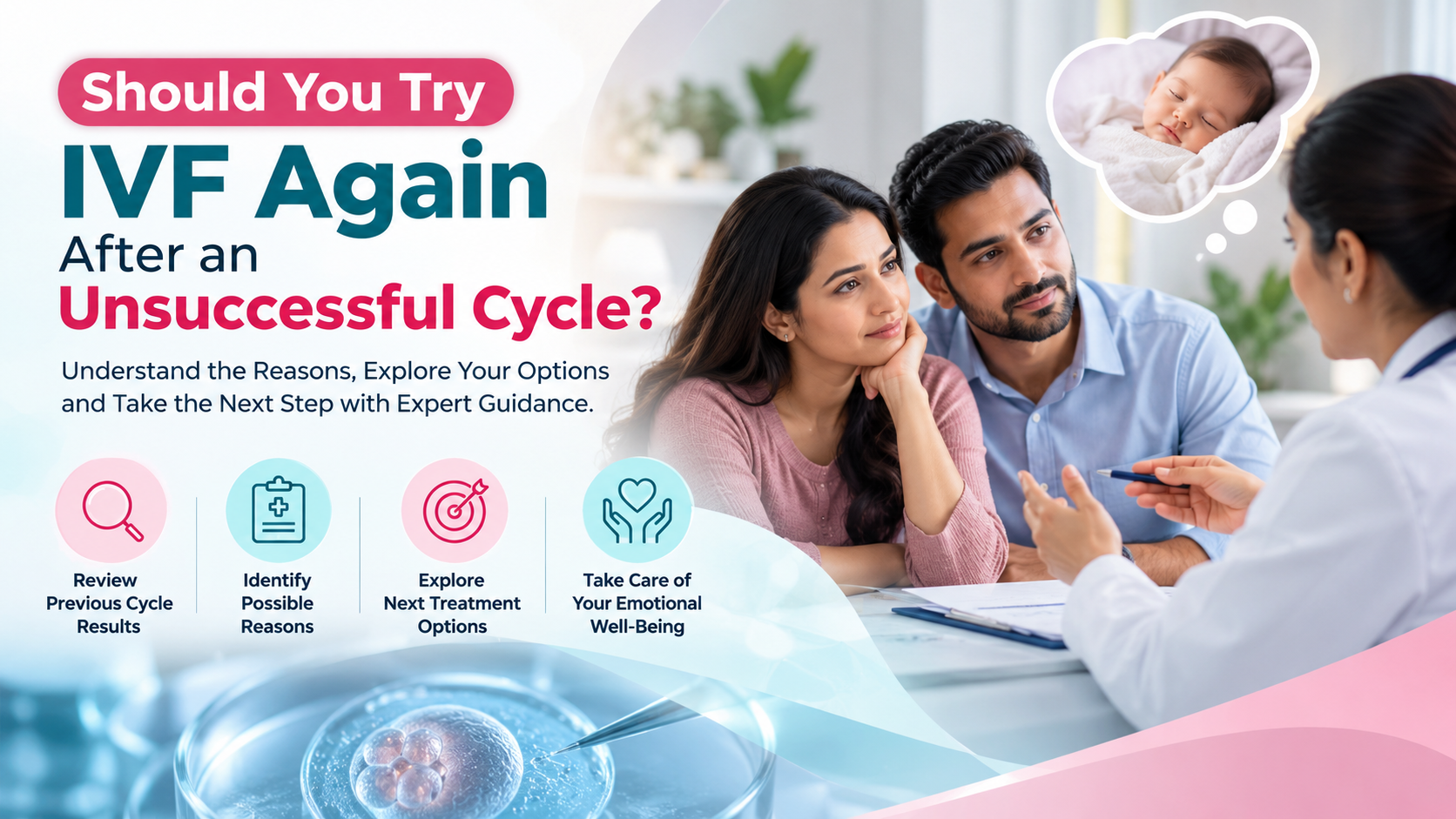
There is no universal answer. The decision depends on age, ovarian reserve, the details of the previous cycle, embryo availability, the underlying fertility concern, financial considerations and personal preferences.
For some patients, another cycle may be reasonable after a review. Others may benefit from further evaluation or a discussion of alternative approaches.
Repeated unsuccessful embryo transfers may justify a more detailed assessment, but there is no single number of failed cycles that automatically explains the cause or dictates the same treatment for everyone.
A personalised consultation can help you understand your options, the evidence supporting them and the potential limitations.
Common Myths About IVF Treatment
Myth 1: IVF guarantees pregnancy.
Fact: IVF can help some people achieve pregnancy, but success is not guaranteed. Outcomes depend on individual clinical circumstances.
Myth 2: Low AMH means pregnancy is impossible.
Fact: AMH helps assess ovarian reserve and may help predict response to stimulation. It does not, by itself, establish whether natural conception or IVF will be successful.
Myth 3: One failed IVF cycle means IVF will never work.
Fact: One unsuccessful cycle does not necessarily predict the outcome of every future cycle. A review can help determine whether further treatment is reasonable.
Myth 4: More IVF add-on tests always improve success.
Fact: Additional tests and treatments should be selected carefully. Some have limited or uncertain evidence of benefit, and they may add cost or risk.
Frequently Asked Questions About IVF Treatment
1. What should I do before starting IVF treatment?
Arrange a fertility consultation, review your medical and reproductive history, complete the investigations recommended for your circumstances and discuss the proposed treatment plan, risks, costs and expected outcomes.
2. What are the common reasons for IVF failure?
An unsuccessful cycle can reflect different issues at different stages, including limited ovarian response, lack of fertilisation, embryo development concerns or failure to establish a pregnancy after transfer. Sometimes the reason remains uncertain even after review.
3. Can IVF be successful after a failed cycle?
Yes, a later cycle may result in pregnancy, but the likelihood depends on individual factors and cannot be guaranteed. Your specialist can help assess the available information and discuss the potential benefits and limitations of another attempt.
4. How many IVF cycles should a person try?
There is no fixed number appropriate for everyone. The decision should consider age, previous treatment results, embryo availability, medical factors, costs and the person’s preferences.
5. Does low AMH mean IVF will fail?
No. Low AMH may indicate reduced ovarian reserve and can be associated with a lower response to stimulation. It does not independently determine whether IVF will succeed.
6. When should I take a pregnancy test after embryo transfer?
Follow the date advised by your fertility clinic, as the appropriate timing depends on the treatment protocol. Testing too early can lead to misleading results. Do not stop prescribed medication without discussing it with your clinic.
7. Is IVF safe?
IVF is widely used, but like any medical treatment, it has potential risks. These may include ovarian hyperstimulation syndrome, multiple pregnancy and ectopic pregnancy. Your care team should explain the risks relevant to you.
8. When should I consult a fertility specialist?
Consider an evaluation after 12 months of trying to conceive if under 35, after 6 months if aged 35 or older, or sooner if over 40 or if there are known fertility concerns, irregular periods or other relevant risk factors.
Explore Your IVF Treatment Options With Expert Guidance
Every fertility journey is different. Understanding your medical history, reviewing your treatment options and setting realistic expectations are important steps when considering IVF or planning what to do after an unsuccessful cycle.
At Invitro Baby Fertility Centre, individuals and couples can seek professional guidance about fertility evaluation and available treatment options based on their circumstances.
If you are considering IVF treatment or would like to discuss the next steps after an unsuccessful cycle, arrange a consultation to understand which options may be appropriate for you.
Book a Consultation
Website: https://invitrobaby.in/
Medical disclaimer: This article is intended for general educational purposes and does not replace personalised medical advice, diagnosis or treatment. IVF outcomes vary between individuals. Consult a qualified fertility specialist for advice based on your medical history and clinical findings.